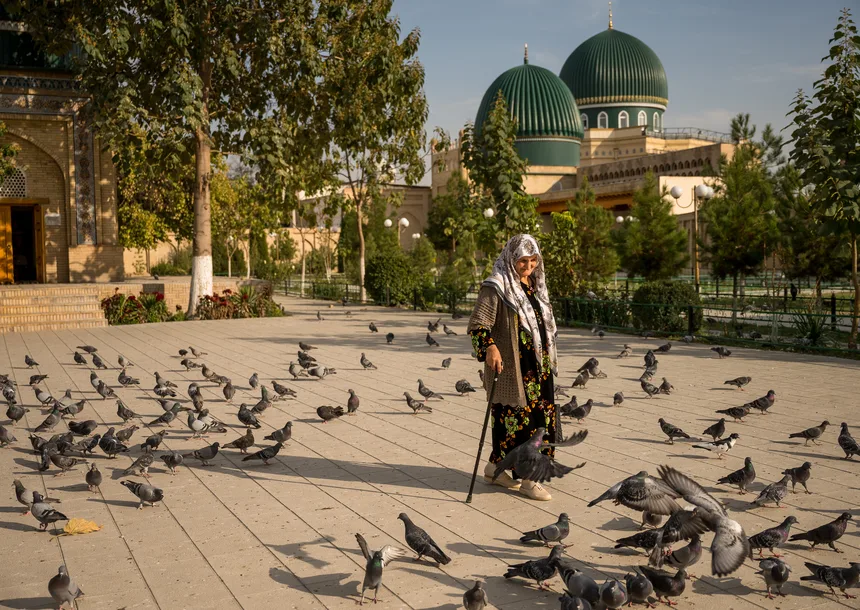
The Fergana Valley — Uzbekistan's Craft Heartland
Enclosed by the Tian Shan and Pamir-Alay mountain ranges, the Fergana Valley is the most densely populated and agriculturally fertile region of Central Asia. While tourists follow the Silk Road circuit through Samarkand, Bukhara, and Khiva, the Fergana Valley remains largely off the main trail — yet it contains some of Uzbekistan's most authentic craft traditions, liveliest bazaars, and finest Islamic architecture.
This 2-day tour from Tashkent crosses the Qamchiq Pass (1,788 m) — or takes the fast train through the longest tunnel in Central Asia — to visit three distinct cities: Kokand with its 19th-century royal palace, Margilan the silk-weaving capital, and Rishtan, where master potters have made blue-and-white ceramics for over 2,500 years.
The Valley is only accessible via Tashkent — there are no direct connections from Samarkand or Bukhara without a long detour. This makes it a natural extension to any Tashkent stay, and a genuine contrast to the restored Silk Road monuments seen elsewhere in Uzbekistan.
| ROUTE | Tashkent → Kokand → Margilan → Rishtan → Fergana city → Tashkent | ||||||||||
| DEPARTURE | 08:00 from your Tashkent hotel (Day 1) | ||||||||||
| DURATION | 2 days, 1 night in Fergana city | ||||||||||
| INCLUDED |
|
||||||||||
| NOT INCLUDED |
|
||||||||||
| PRICES PER PERSON |
|
||||||||||
| BEST SEASON | Year-round. April–June and September–October are ideal (mild, less heat). |
What Makes Fergana Valley Unique
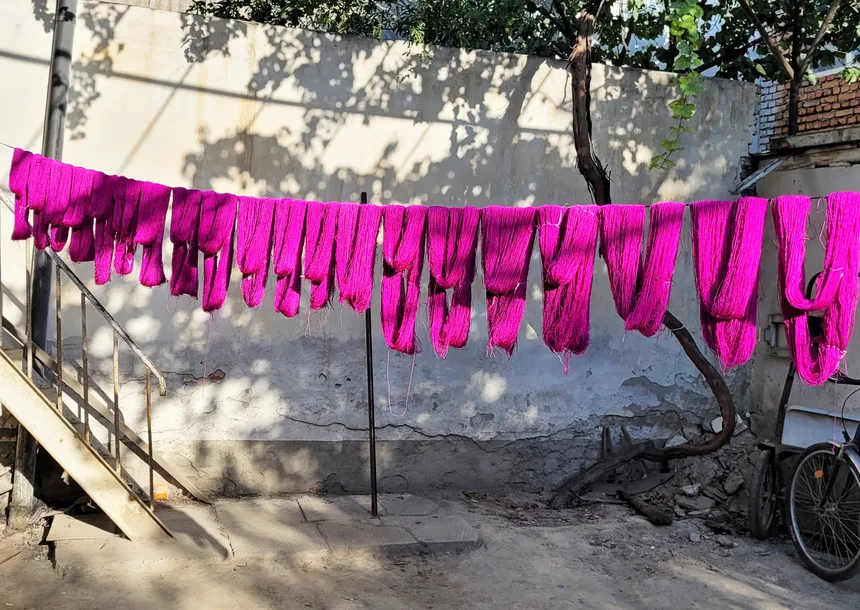
Margilan silk: The Yodgorlik Silk Factory is one of the last places in Central Asia where silk is produced entirely by hand — from silkworm cocoons boiled and unwound on traditional wooden reels, to thread dyed with natural pigments, to the distinctive ikat fabric woven on hand-operated looms. Watching the process is one of Uzbekistan's most memorable craft experiences.
Rishtan ceramics: The blue-and-white pottery of Rishtan is made using ishkor glaze from local plants, giving a distinctive cobalt quality distinct from Chinese or Persian ceramics. Visiting a family workshop allows you to see master potters at work and purchase directly, without tourist markup.
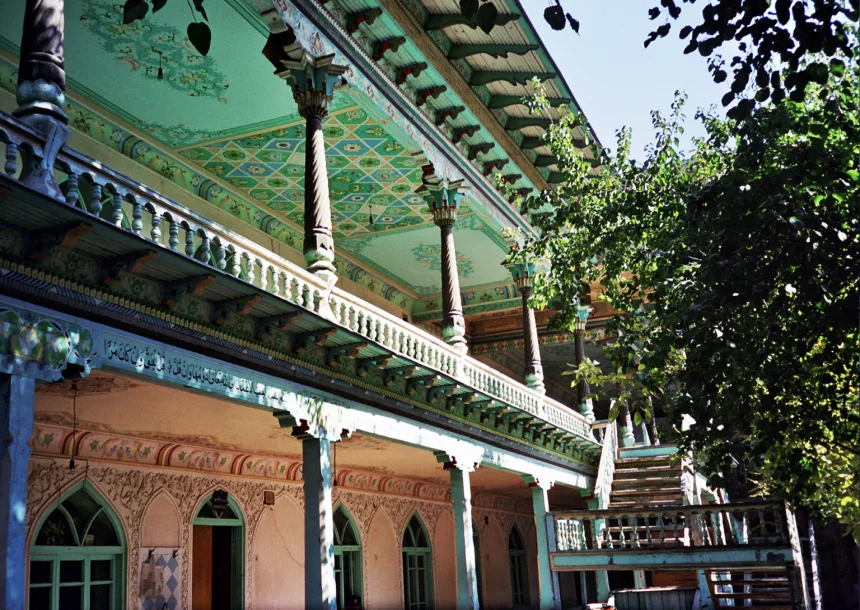
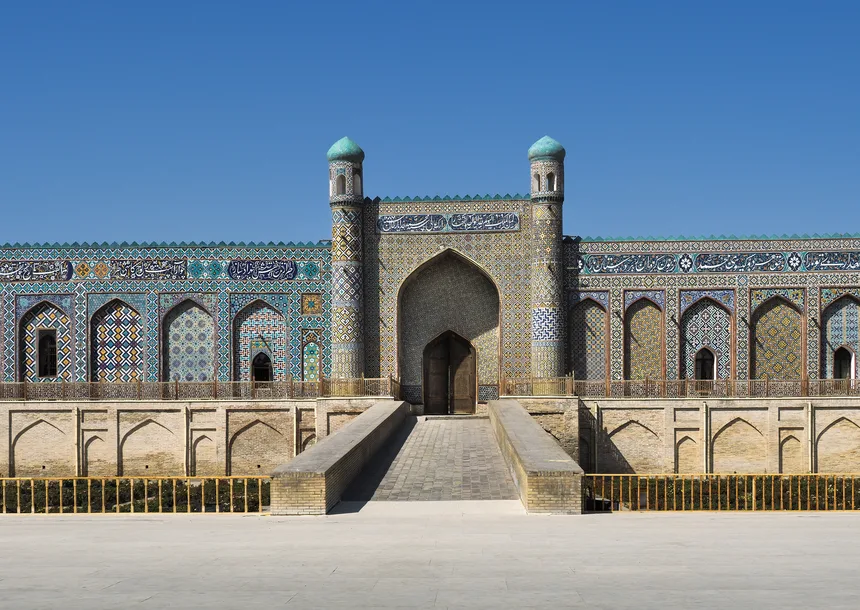
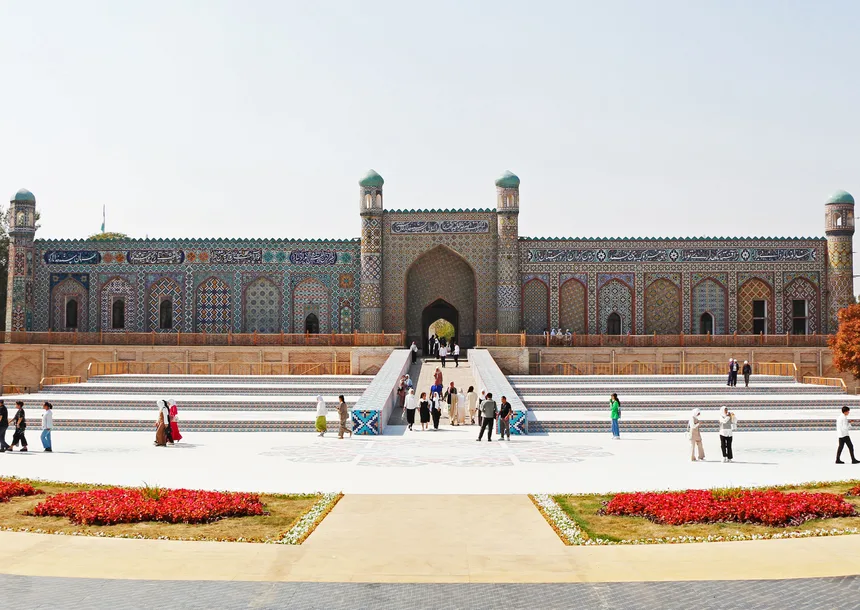
Kokand's forgotten palace: The Palace of Khudayar Khan (1871) is one of the finest examples of 19th-century Central Asian palatial architecture. Less visited than Khiva's ichan-kala, it retains an air of faded grandeur with intricate ganch plasterwork and painted ceilings largely intact.