💬 WhatsApp us — ask anything or use the form below
- ⭐ 4.4/5 on TripAdvisor (47 reviews)
- 📍 Local operator
- 💬 Direct WhatsApp
- 🔄 Flexible options
- 🗓 Free cancellation up to 24 hours before departure
Private tour — price per person depends on group size:
| 1 traveler | $120 / person |
| 2 travelers | $80 / person |
| 3 travelers | $70 / person |
| 4 travelers | $60 / person |
A full day out of Khiva into the Kyzylkum desert, to the haunting mud-brick ruins of the kingdom of Khorezm — a civilisation that flourished here from around the 4th century BC to the 8th century AD, long before Islam reached Central Asia.
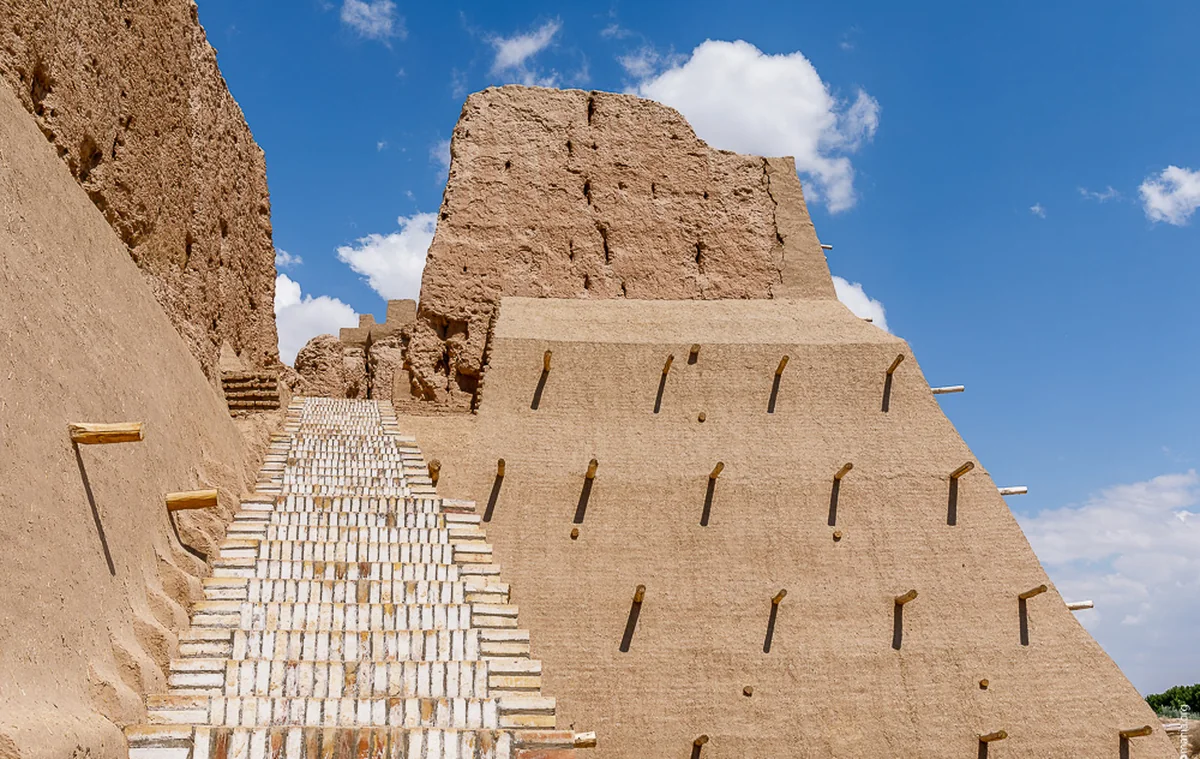
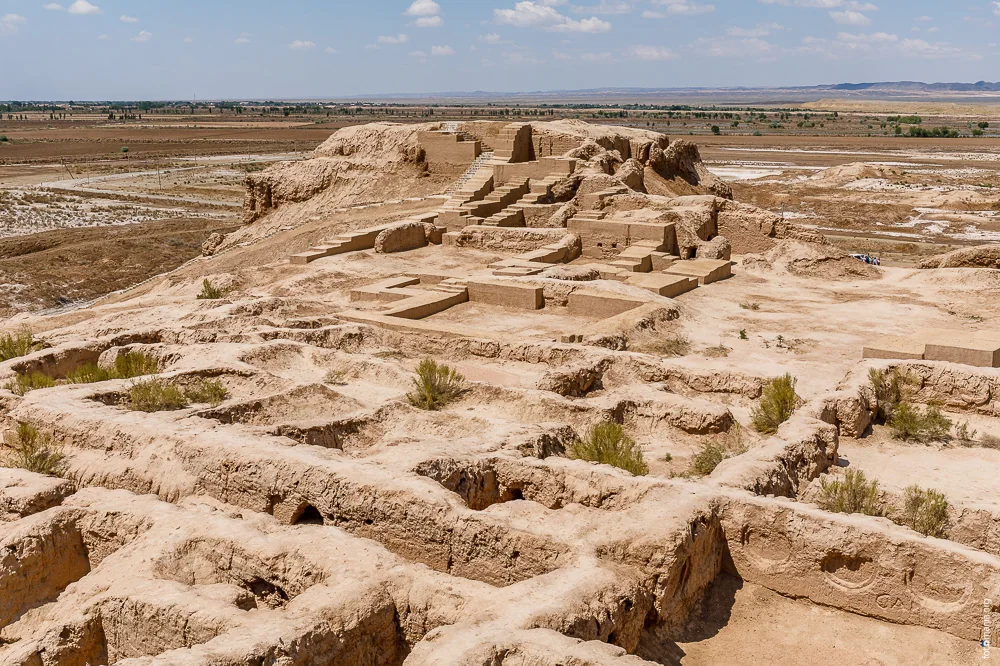
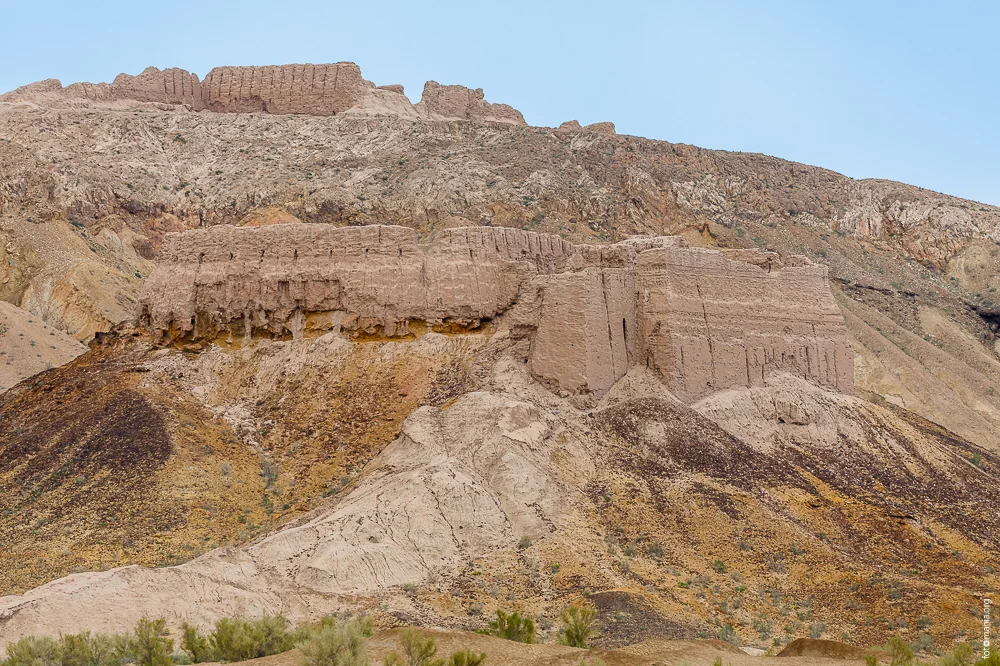
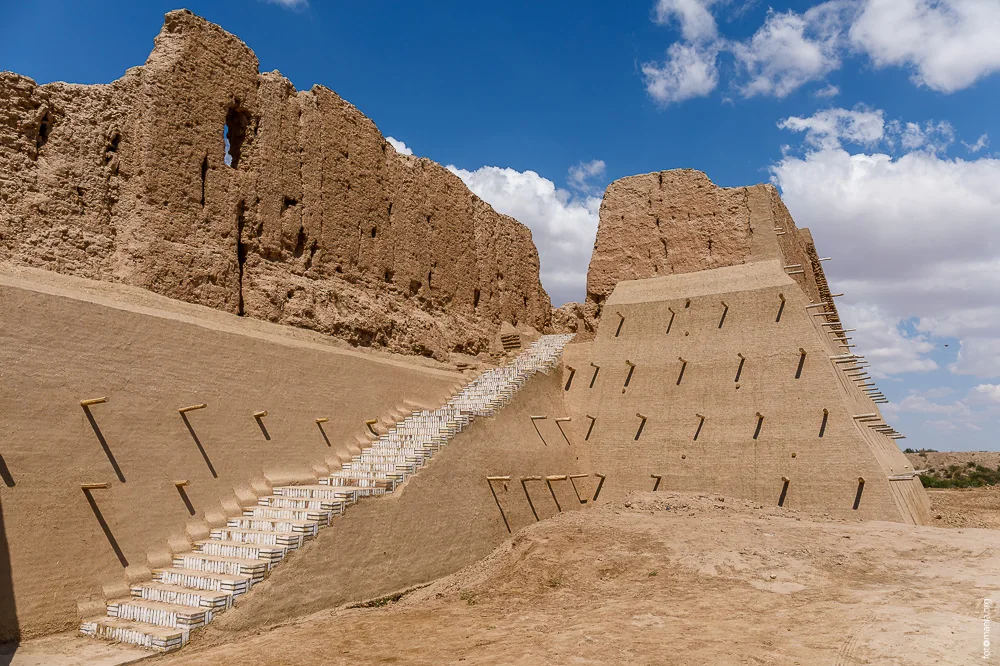
You visit three kala (fortresses): the vast Toprak Qala with its palace and walled city; Ayaz Qala, dramatic on its desert ridge; and the compact, well-preserved Kyzyl Qala.
These are among the largest pre-Islamic ruins in Central Asia. The scale is hard to believe until you stand inside walls that have weathered fifteen centuries of desert summers and still tower above you — less restored, less crowded and far more atmospheric than the Silk Road monuments most travellers see.
Morning pickup at 08:30 from your Khiva hotel and a 1.5-hour drive north-east into the Kyzylkum to the first fortress.
Toprak Qala, Ayaz Qala and Kyzyl Qala — the biggest and best-preserved of the Khorezm kalas, with time to walk the walls at each.
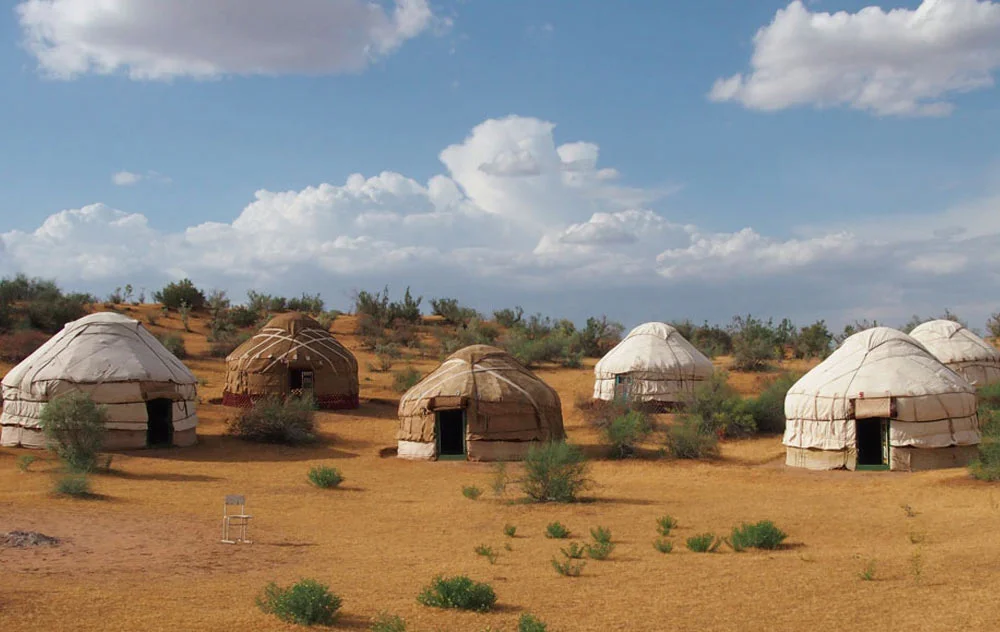
An optional lunch stop at the yurt camp below Ayaz Qala — local plov, lagman and salads.
Return across the desert to Khiva by late afternoon, leaving the evening free in the old town.
Pickup from your hotel and the drive north-east into the Kyzylkum desert.
The largest of the Khorezm fortresses — a walled city of roughly 1st–2nd century AD covering some 30 hectares, once the administrative centre of the kingdom, with the ruins of a three-towered royal palace still standing.
A complex of fortresses on and below a desert ridge, the oldest dating to the 4th century BC, with a sweeping panorama over the Kyzylkum and a yurt camp at its foot.
Optional lunch at the yurt camp below Ayaz Qala — local plov, lagman and salads.
A compact square fortress of about the 1st–4th century AD with a tower rising some 15 metres from the desert — intense, well-preserved red-clay walls, and usually the quietest of the three.
Return through the desert, arriving in Khiva in the late afternoon.