

Is Bukhara Worth Visiting? Honest Guide 2026
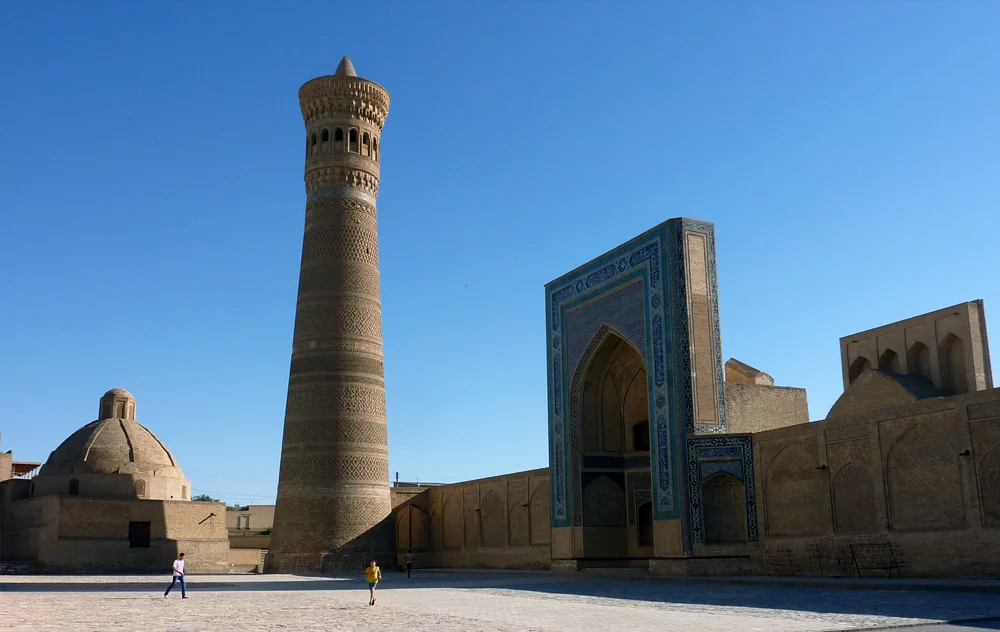
Short answer: yes — Bukhara is worth visiting, and for many travellers it becomes the favourite stop in Uzbekistan. This is an honest guide from a local tour operator. We'll cover what actually makes Bukhara special, what it doesn't do well, who should prioritise it, and who might skip it.
Is Bukhara Worth Visiting? The Short Answer
Bukhara is worth visiting for anyone drawn to Silk Road history, Islamic architecture, or walkable, atmospheric old cities. Its UNESCO old town is one of the most intact medieval urban landscapes in Central Asia — a place that still feels lived-in rather than curated.
It's not the right trip if you want nightlife, luxury shopping, or a fast-paced city. Bukhara is slow by nature and by design. That's the source of its appeal; if it sounds dull, the city probably won't change your mind.
For a concrete sense of what you'd actually do on the ground, see our guide to the top things to do in Bukhara. For timing, see how to spend 1, 2, or 3 days.
What Makes Bukhara Special
Three things separate Bukhara from other Silk Road cities.
Silk Road History
Bukhara is more than 2,500 years old and has been a centre of scholarship, trade and Islamic learning for most of that time. At its medieval peak it was known in the Arab world as "Bukhoro-i Sharif" — "Noble Bukhara" — and was considered second only to Mecca for religious study. The philosopher and physician Avicenna (Ibn Sina) was educated here in the early 11th century. Travellers who care about the intellectual history of the Silk Road — not just its architecture — find more density in Bukhara than anywhere else in the region.
The city also has unusual continuity. The Trading Domes have operated as markets since the 16th century. The neighbourhoods around Lyabi-Hauz have the same street grid as 400 years ago. The Jewish Quarter south of the pool has been home to one of the oldest continuous Jewish communities in Central Asia.
Architecture
Bukhara's monuments span a wider time range than most Silk Road cities. The Ismail Samani Mausoleum dates from the 10th century — pre-Timurid, pre-Mongol, and arguably the finest piece of brickwork in Central Asia. The Kalyan Minaret was built in 1127 and so impressed Genghis Khan that he ordered it spared when his army destroyed the rest of the city in 1220. Poi Kalyan, the Ark Fortress, Bolo-Hauz and the Trading Domes add layers from the 12th to the 18th centuries.
The effect is an architectural timeline you can walk through in a single morning. Few cities in the world let you see a thousand years of Islamic architecture in one kilometre.
Atmosphere
Atmosphere is where Bukhara really separates itself. The old town is compact, almost entirely car-free, and still populated by ordinary residents rather than only tourism businesses. Children walk home from school through the Trading Domes. Craftsmen forge knives and embroider suzani in workshops their grandfathers ran. The tea houses around Lyabi-Hauz fill up with locals at dusk, not just visitors.
This is what most travellers mean when they say Bukhara became their favourite. The monuments are excellent; the feeling of walking through a functioning medieval city is what's rare.
Pros and Cons of Visiting Bukhara
Pros:
- Walkable old town. The UNESCO zone is roughly 1 km across, flat, and almost entirely free of traffic. You can cover the main sights on foot without a single taxi ride.
- Exceptional atmosphere. A real old city that is still a living neighbourhood, not a theme-park restoration.
- Affordable. Entry fees, food and boutique hotels are inexpensive by Western standards. Long trips are financially possible.
- Safe. Street crime is rare. Solo female travellers consistently report feeling comfortable, particularly inside the old town.
- Boutique accommodation. Restored 19th-century merchant houses, small rooms around tiled courtyards, good breakfasts — often better value than chain hotels elsewhere.
- Tea house and artisan culture. Lyabi-Hauz at dusk, a carpet workshop in the Trading Domes, a plov kitchen in a side street — the experiences stay with you.
Cons:
- Quiet evenings. Dinner, a walk, maybe a Shashmaqam concert in the Nodir Devon Begi courtyard. Bars and clubs are almost non-existent.
- Summer heat. June to August midday temperatures can exceed 40 °C. Walking itineraries are uncomfortable in the peak hours.
- Language barrier. English is limited outside tourist-facing businesses. Uzbek, Tajik and Russian dominate; a guide or translation app helps.
- Quieter "wow" moments than some expect. Bukhara's appeal is accumulated — tea houses, courtyards, slow discoveries. It lacks a single showstopper monument on the scale of the very largest Silk Road squares.
- Some restoration. A handful of monuments have been rebuilt rather than preserved. Purists can usually tell which.
How Many Days Do You Really Need?
One day covers the headlines. Two days is the sweet spot for most travellers. Three days lets you add out-of-town day trips or genuinely slow down inside the old city.
For a detailed breakdown of what fits into each option, read our Bukhara itinerary guide for 1, 2, or 3 days. The short version: give Bukhara two nights if you possibly can. The second morning in the old town, unhurried, is when the city starts to stick.
Who Should Visit Bukhara
- Slow travellers. If you like lingering over long lunches, wandering without a fixed plan and talking to craftsmen, Bukhara rewards that more than almost any Central Asian city.
- History and architecture enthusiasts. A thousand years of Islamic architecture within a kilometre is genuinely hard to find elsewhere.
- Photographers. Early-morning Poi Kalyan, sunset over the Ark, back-street courtyards with morning light — the old town photographs beautifully.
- Silk Road itinerary travellers. Most multi-city routes through Uzbekistan keep Bukhara as a highlight, and travellers often rate it above expectation.
- Travellers who prefer intimate cities. Smaller scale, compact, walkable — the anti-megacity. If that's the kind of travel you enjoy, Bukhara suits you.
Who Might Skip It
- Travellers on extremely tight schedules. If Uzbekistan is a 24-hour stop, fly to Tashkent or pick only one heritage city — you'll exhaust yourself otherwise.
- Nightlife-focused tourists. If a trip's success depends on bars and clubs, Bukhara will disappoint.
- Luxury-only travellers. Five-star international chains don't operate inside the old town, and the boutique alternatives won't suit every taste.
- Travellers uninterested in history or heritage. If monuments bore you, the charm of the old town probably won't be enough on its own.
Still gathering information before you decide? Our full Bukhara travel guide pulls the itinerary, best time, where-to-stay and getting-around notes into one place.
Final Verdict
Bukhara is worth visiting. For the right traveller — someone drawn to walkable old cities, Silk Road history, or simply a slower pace — it is one of the most rewarding destinations in Central Asia, and for many, the best stop in Uzbekistan. The monuments are a reason to come; the atmosphere is the reason travellers stay an extra night, and the reason many say they want to come back.
What you get is a functioning medieval city at prices that make longer trips possible, with a culture of tea houses, artisans and long evenings around a 400-year-old pool. It won't sell itself in two hours. Give it two days, and it almost certainly will.
If you decide to visit, our full-day Bukhara city tour covers Lyabi-Hauz, the Trading Domes, Poi Kalyan, the Ark, Bolo-Hauz and the outlying Ismail Samani complex — with a local guide, walking-route planning and entrance tickets handled.
Decided Bukhara is the right call?
Our full-day Bukhara City Tour covers Lyabi-Hauz, Poi Kalyan, the Ark, the Trading Domes and the outlying Ismail Samani complex — with a local guide, walking-route planning and all entry tickets handled.
Book the Bukhara City Tour →Related Articles
Odil has been guiding travellers through Uzbekistan's Silk Road cities since 2009. Born in Samarkand, he specialises in cultural heritage tours, homestay experiences, and off-the-beaten-path adventures in the Nuratau Mountains. Jahongir Travel is his family-run tour operator based in Samarkand. Learn more about us.