Tour Description
This tour offers you to see the best in Bukhara in one day. With the UNESCO world heritage site which encompasses the whole center of the city, Bukhara has preserved the ancient ambiance of mid-centuries. It is one of the best sites to feel the spirit and mood of the Muslim architecture in Uzbekistan
Bukhara: The City That Hasn't Changed in 2,000 Years
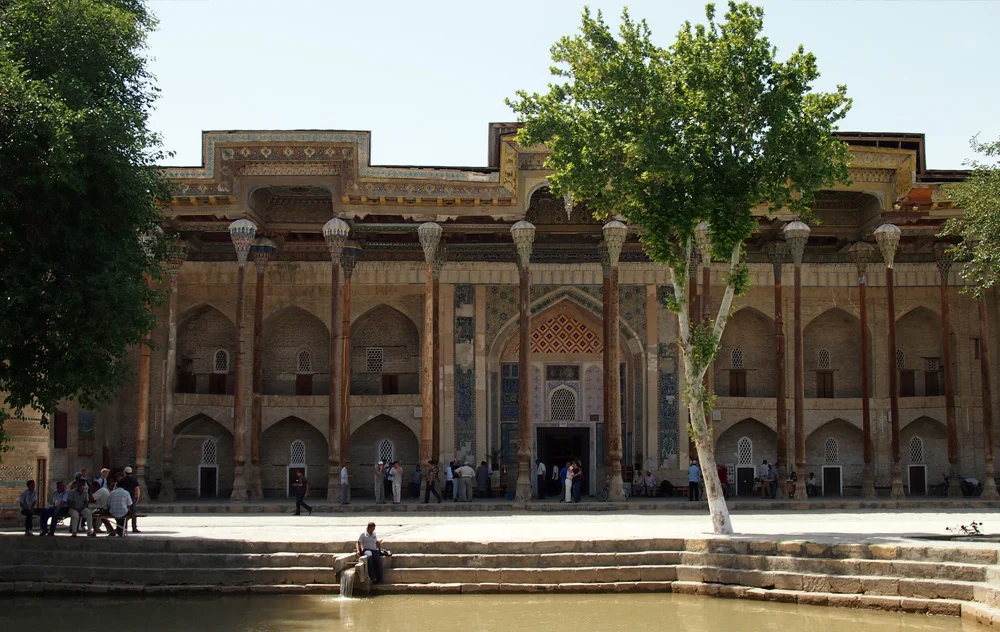
Bukhara is the best-preserved Silk Road city on earth. While Samarkand rebuilt and modernised over the centuries, Bukhara's medieval centre survived almost entirely intact — a labyrinth of mud-brick lanes, working madrasahs, caravanserais turned into craft bazaars, and ancient mosques that have functioned continuously since the 9th century. UNESCO declared the entire historic centre a World Heritage Site in 1993, and walking through it feels like stepping through a living museum.
What You'll See on the Bukhara City Tour
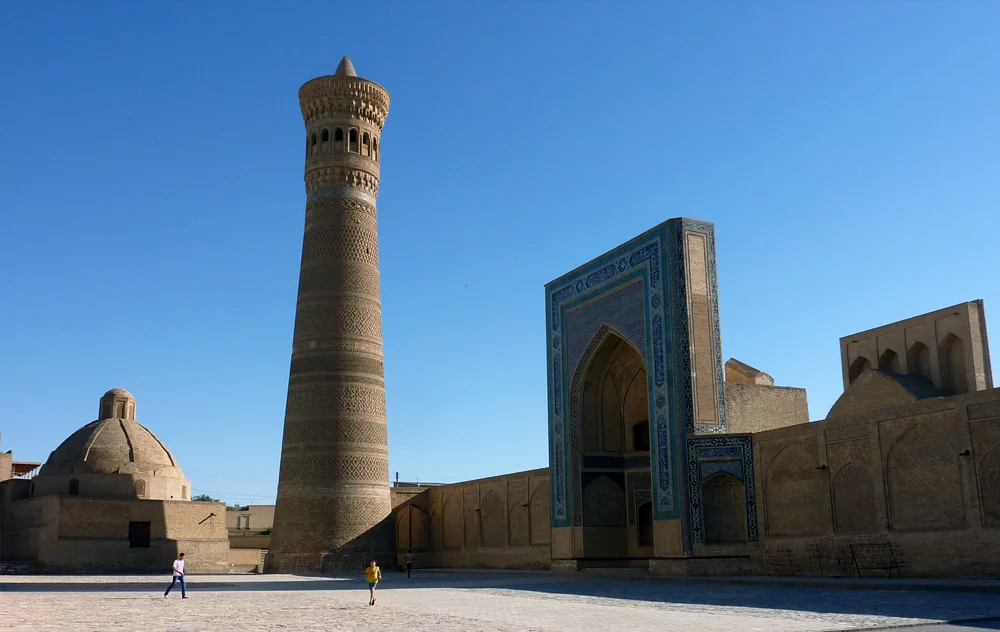
Poi Kalyan Complex — The spiritual heart of Bukhara. The Kalyan Minaret (1127 AD) is so impressive that even Genghis Khan spared it when he razed the rest of the city. Beside it stand the Kalyan Mosque and the exquisitely tiled Mir-i-Arab Madrasah, still an active Islamic seminary today.
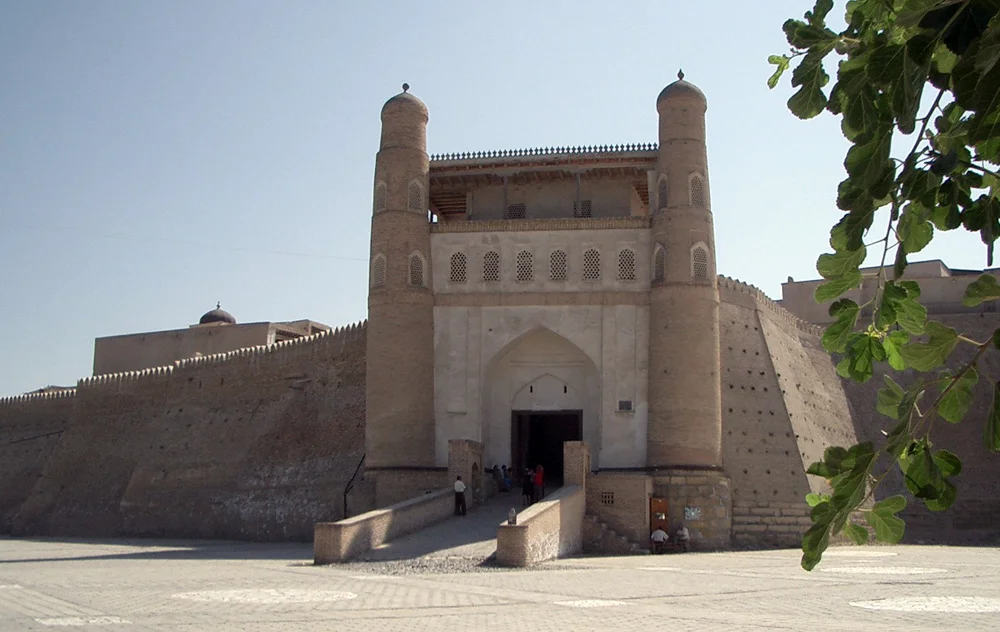
The Ark Fortress — A 2,000-year-old citadel that was the seat of the Bukharan emirs until the Soviet conquest of 1920. The throne room, treasury and prison (where two British officers were held captive in a snake pit in the 1840s) are open to visitors.
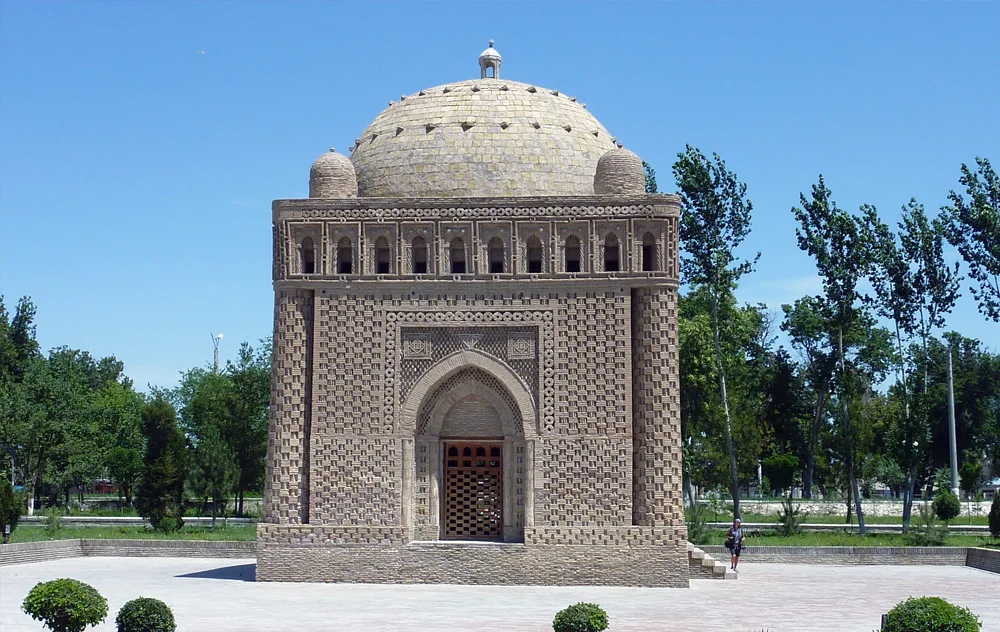
Ismail Samani Mausoleum — The oldest intact Islamic monument in Central Asia (9th–10th century). Its brickwork creates optical illusions in different light — arrive in the morning for the best effect.
Chor Minor — An eccentric 19th-century gatehouse with four blue-tiled minarets, tucked in the old residential quarter. It's Bukhara's most photographed "hidden gem."
Trading Domes (Toki Bazaars) — Three 16th-century covered bazaar domes still functioning as craft markets. Local artisans sell silk scarves, miniature paintings and copper work here — a great place to buy authentic gifts.
Best Time to Visit Bukhara
April–May brings roses and mild temperatures (18–25°C). September–October is arguably better — harvest colours, cooler evenings, fewer crowds than peak summer. Summer (July–August) is very hot at 38–40°C but the monuments are quieter in the early morning. Winter is cold but the pale winter light on the tile work is extraordinarily beautiful.
Practical Details
- Tour duration: approximately 6–7 hours, starting at 9:00 AM
- Included: English-speaking local guide and private transport within the city
- Not included: entrance tickets (budget $10–15 USD total), lunch, tips
- Distance walked: approximately 4–5 km (flat terrain, easy pace)
- This tour can be extended into a 2-day Bukhara experience on request
| DEPARTURE/RETURN LOCATION | Bukhara | ||||||||||
| Best travel time: | All Year Round | ||||||||||
| Group size: | Max - not limited. Min - 1 person | ||||||||||
| INCLUDED |
|
||||||||||
| NOT INCLUDED |
|
||||||||||
| Prices per person |
|
||||||||||
| Special Notes: | This tour can be tailored to your individual needs — contact us to adjust the itinerary, timing, or add nearby sites. | ||||||||||
| Sightseeing Highlights |
|