

Bukhara Travel Guide 2026: Sights & Tips | Jahongir Travel
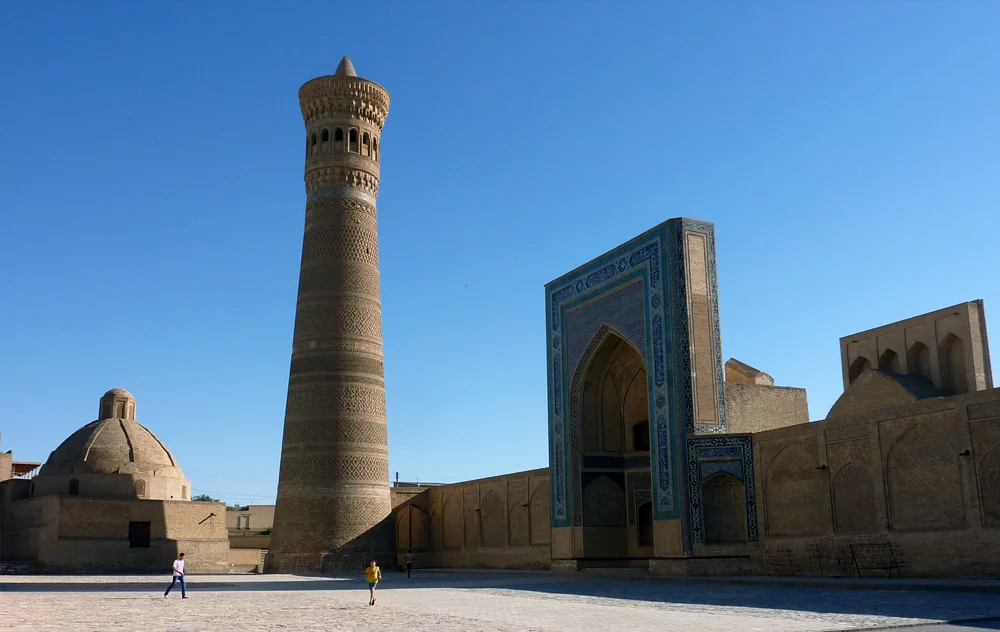
Bukhara is Uzbekistan's most intact medieval city and, for many travellers, the trip's quiet highlight. This is our complete Bukhara travel guide — written from the perspective of a local tour operator. It covers what to see, how many days to stay, when to go, where to base yourself, and how to move around. Use it as the hub: each section links to a deeper article where we go further.
Why Visit Bukhara
Bukhara has been inhabited for more than 2,500 years and was one of the great intellectual centres of the Islamic world. The Arab geographers called it "Bukhoro-i Sharif" — Noble Bukhara — and it was considered second only to Mecca for religious study. The philosopher and physician Avicenna (Ibn Sina) studied here in the early 11th century. UNESCO recognises the old city as a World Heritage Site.
What makes Bukhara distinct from other Silk Road cities is scale and atmosphere. The old town is roughly one kilometre across, almost entirely free of traffic, and still populated by ordinary residents rather than only tourism businesses. You can walk the entire UNESCO zone in a morning, but most travellers find themselves staying longer than planned — the rhythm of the city pulls you in. If you're still deciding whether it fits your itinerary, our honest take: is Bukhara worth visiting?
Bukhara is also unusual in its architectural timeline. Many Silk Road cities peaked in one dynasty; Bukhara preserves monuments from the 10th to the 18th centuries in a single compact cluster — pre-Mongol Samanid brickwork, the 12th-century Kalyan Minaret that Genghis Khan ordered spared, Sheibanid-era mosques, and 16th-century trading domes still operating as markets.
Top Things to Do in Bukhara
The old town has a dense cluster of headline monuments that travellers can comfortably cover in a single walking loop:
- Lyabi-Hauz — the 16th-century pool ensemble and social heart of the old town. A 400-year-old mulberry tree still shades the square. Best at dawn and dusk.
- Poi Kalyan Complex — the Kalyan Minaret, Kalyan Mosque, and Mir-i-Arab Madrasah. The minaret has stood since 1127.
- The Ark Fortress — the last emir's citadel, built on a thousand years of earlier foundations.
- Trading Domes — three 16th-century covered intersections where merchants still sell silks, carpets, and knives.
- Chor Minor — the unusual four-towered madrasah gatehouse, tucked into a residential back street.
- Bolo-Hauz Mosque — opposite the Ark, with a 20-column wooden portico that's one of the most photographed sights in the city.
- Ismail Samani Mausoleum — a 10th-century tomb in Samanid Park, widely considered the finest piece of brickwork in Central Asia.
Beyond the headlines, Bukhara rewards slower exploration — the Jewish Quarter south of Lyabi-Hauz, the Chashma-Ayub shrine near the Samani mausoleum, and the Summer Palace of the last emir a few kilometres north of the old town. For deeper details on each site, insider tips and the best times of day to visit, see our guide to the top things to do in Bukhara.
How Many Days to Spend in Bukhara
Short answer: two days is the sweet spot. Three if you can.
One day is enough to cover the headline monuments in a walking loop — Bukhara's geography makes this easier than in most Silk Road cities. Two days lets you revisit key sites in different light (Poi Kalyan at sunset, Lyabi-Hauz at breakfast), explore the Jewish Quarter, and walk to the Ismail Samani mausoleum without rushing. Three days opens up day-trip options like Nurata or the Chor Bakr necropolis, or simply a properly slow day inside the old town.
For a detailed day-by-day breakdown of each option, read our Bukhara itinerary guide for 1, 2, or 3 days.
Suggested Bukhara Itineraries
A compressed overview of each duration:
1-Day Bukhara Itinerary. Start at Lyabi-Hauz with coffee under the mulberry trees, walk west through the Trading Domes to Poi Kalyan, break for lunch at a chaikhana near the main square, visit the Ark and Bolo-Hauz in the early afternoon, walk to Chor Minor for late-afternoon light, and return to Lyabi-Hauz for dinner and the evening glow on the water. No taxis needed — the whole day is on foot.
2-Day Bukhara Itinerary. Day one unhurried — same sites as above with time to linger inside the Kalyan Mosque courtyard, spend more time in the Trading Domes, and eat a proper lunch. Day two adds the Ismail Samani Mausoleum and Chashma-Ayub, the quiet streets of the Jewish Quarter, and a half-day at the Summer Palace (Sitorai Mohi Hosa) a few kilometres north. Two days is also when the city stops feeling like a checklist.
3-Day Bukhara Itinerary. Days one and two as above, then use day three for a day trip — Nurata village and a yurt-camp overnight in the Kyzylkum Desert, or the Chor Bakr necropolis 7 km west of the city. Alternatively, spend the third day slowly: a morning at a restored hammam, a family-run plov lunch, a Shashmaqam music concert in the Nodir Devon Begi courtyard.
Full timings, transport notes, and per-day tips: Bukhara itinerary guide.
Best Time to Visit Bukhara
The seasons matter for what you'll actually experience in a walking city.
- Spring (April–May). The best season. Warm days (20–28 °C), cool evenings, orchards in bloom, and soft photographic light on the brickwork. Book hotels ahead — this is Bukhara's peak season.
- Summer (June–August). Hot. Midday temperatures can exceed 40 °C. Start early, rest through the hottest hours, and resume in the late afternoon. Evenings at Lyabi-Hauz in midsummer are genuinely pleasant.
- Autumn (September–October). Matches spring as an ideal window. Golden light on the Kalyan Minaret, harvest in the local markets, fewer crowds as October progresses.
- Winter (November–March). Cold and very quiet. Short daylight hours, but beautifully empty monuments and lower hotel rates. A legitimate option for travellers who prefer solitude over warm weather.
Where to Stay in Bukhara
Unlike larger Silk Road cities, the answer in Bukhara is simple: stay in the old town.
Inside or immediately adjacent to the UNESCO zone. A dozen boutique B&Bs operate in restored 19th-century merchant houses — small rooms around tiled courtyards, breakfast on the terrace, and an owner who will ring you a taxi when you need one. These put you within a 10-minute walk of every major monument and are typically better value than modern hotels further out.
Lyabi-Hauz area. The most atmospheric base. A two-minute walk to the pool, five minutes to the Trading Domes. Some rooms can be noisier in peak season because the square stays active until late — ask for a room facing the courtyard.
Near Poi Kalyan. Slightly quieter, still very walkable, and close to the architectural core.
Modern city (outside the UNESCO zone). Skip. Distances to the old town aren't huge but you'll lose the best of Bukhara — the experience of stepping out of your B&B into a medieval street.
Budget range: clean B&Bs and guesthouses offer excellent value; mid-range boutique hotels are comfortable and well-located. Upper-tier options exist but are limited in number — Bukhara's accommodation culture is boutique rather than luxury-chain. For current rates, check booking platforms or ask us for suggestions.
Getting Around Bukhara
Bukhara is a walking city, and that's the first thing to internalise.
On foot. The entire UNESCO old town is about 1 km across. All the headline monuments are within 10–15 minutes of each other. Streets are mostly flagstone and uneven in places — comfortable shoes matter more than in Samarkand.
Taxis. Yandex Go works for the outlying sites (Summer Palace, Chor Bakr, the train station). Rides are typically 15,000–40,000 UZS (a small fare by international standards). No negotiation, meter on the app.
Private driver or guided tour. The right call for out-of-town day trips (Nurata, yurt camps) or if you want historical context as you walk the old town. Inside the UNESCO zone, a guide adds context more than logistics — the walking plan itself is simple.
Inter-city transport. The Afrosiyob high-speed train links Tashkent (roughly 3h 40min), Samarkand (about 1h 40min), and Bukhara. Book ahead in peak season — trains fill up. Domestic flights exist but rarely save time door-to-door. Taxis between cities are possible but slower and more expensive than the train.
Food and Dining in Bukhara
Bukhara has its own culinary identity, distinct from Tashkent or Samarkand. A short primer:
- Plov (Bukhara-style). Often made with a slightly different spice balance than Samarkand plov, sometimes including raisins or chickpeas. Lunch is the plov meal; good plov houses sell out by early afternoon.
- Shashlik. Grilled meat at chaikhanas around Lyabi-Hauz and in the Trading Domes area. Lamb and beef are most common; chicken in fewer places.
- Bread. Bukhara non is smaller and denser than Samarkand non. Look for tandoor bakeries in the side streets — the bread is best fresh off the oven at breakfast.
- Dimlama. A slow-cooked stew of meat, potato, carrot, onion and tomato. A winter favourite and one of the most warming dishes in the city.
- Halva and sweets. Bukhara is historically famous for halva; the traditional sweet-makers in the Trading Domes still produce it the old way.
- Tea house culture. Dinner in Bukhara often ends with green tea, fruit, and another hour of conversation. That's the local rhythm; plan evenings around it.
For atmosphere, a dinner at one of the courtyard restaurants inside former madrasahs (Nodir Devon Begi, for example) is a Bukhara experience in itself — and several of them pair the meal with live Shashmaqam music.
Combining Bukhara with Other Cities
Most visitors combine Bukhara with at least one other city. A few realistic routes:
- Tashkent → Bukhara (3–4 days). Fly into Tashkent, train to Bukhara next morning, two days in the old town, train back. A short but rewarding Uzbekistan trip.
- Tashkent → Samarkand → Bukhara (5–7 days). The classic first-time itinerary. All three cities connected by Afrosiyob high-speed train. Two nights in Bukhara at the end leaves you unwinding rather than rushing.
- Tashkent → Samarkand → Bukhara → Khiva (8–10 days). Full Silk Road across Uzbekistan. From Bukhara, Khiva is a long day's transit — the desert crossing is memorable.
- Bukhara → Nurata / yurt camp (2 days). A desert overnight with camel riding and a traditional dinner — one of the most popular add-ons from Bukhara.
- Bukhara → Khiva (direct). 6–7 hours by road across the Kyzylkum. Worth doing by daylight to see the desert.
If you're doing a multi-city trip, book Afrosiyob train tickets weeks in advance — especially in peak season (April–May and September–October). For combined Silk Road itineraries that include Bukhara, see our Best of Uzbekistan in 10 Days package.
Is Bukhara Worth Visiting?
For almost anyone drawn to old cities, walkable travel, or Silk Road history: yes. Bukhara has the most intact medieval old town in Central Asia and a quality of atmosphere that's hard to replicate. Many travellers arrive expecting a quick stop and end up staying an extra night — the place grows on you.
It's a weaker fit for travellers focused on nightlife, luxury-only experiences, or a fast urban tempo. Bukhara is deliberately slow; the city rewards attention and time. For the full pros-and-cons breakdown, read our honest guide on whether Bukhara is worth visiting.
Practical Tips for Your Visit
- Visas. Over 90 nationalities enter Uzbekistan visa-free for 30 days (including EU, UK, US, Canada, Australia, Japan, South Korea). Others can use the e-visa system.
- Money. Carry some cash (Uzbek som). Cards work at major monuments and larger hotels; smaller bazaars, chaikhanas and bakeries are cash-only.
- Dress code. Shoulders and knees covered inside working religious buildings. Women should carry a light headscarf for the Kalyan Mosque and Bolo-Hauz interiors.
- Language. Uzbek, Tajik and Russian are dominant. English is limited outside tourist-facing businesses. Yandex Translate works offline if you download the Uzbek pack.
- Internet. Buy a local SIM at Tashkent airport on arrival (UZMOBILE, Beeline, Ucell) — cheap, fast, and saves roaming costs.
- Shoes. Bukhara is walkable but not flat. Comfortable shoes with some grip are worth more here than in modern cities.
Plan Your Trip to Bukhara
Bukhara works best when the plan fits the traveller. A one-day visit covers the essentials. Two days with some flexibility suits most visitors. Three days with a day trip or a deliberately slow third day suits those who want to understand why so many travellers remember Bukhara as their favourite.
If you want the logistics handled — entry tickets, a walking route planned by someone who knows the old town, a local guide who can explain what you're looking at — our full-day Bukhara city tour covers all the headline sites with a Bukhara-born guide, transport to the outlying Ismail Samani complex, and lunch near Lyabi-Hauz. For longer trips (2–3 days) we can arrange a custom itinerary combining Bukhara with Nurata, a yurt camp, or onward travel; contact us via WhatsApp or the booking form on any tour page.
Whichever route you take, give Bukhara time. The monuments are a reason to come; the city itself is the reason travellers want to come back.
Ready to see Bukhara with a local guide?
Our Bukhara City Tour covers Lyabi-Hauz, the Trading Domes, Poi Kalyan, the Ark, Bolo-Hauz and the outlying Ismail Samani complex — walking-route planned, entrance tickets handled, and a Bukhara-born guide who knows the old town.
Book the Bukhara City Tour →Related Articles
Odil has been guiding travellers through Uzbekistan's Silk Road cities since 2009. Born in Samarkand, he specialises in cultural heritage tours, homestay experiences, and off-the-beaten-path adventures in the Nuratau Mountains. Jahongir Travel is his family-run tour operator based in Samarkand. Learn more about us.