

Samarkand Travel Guide 2026: Sights & Tips | Jahongir Travel
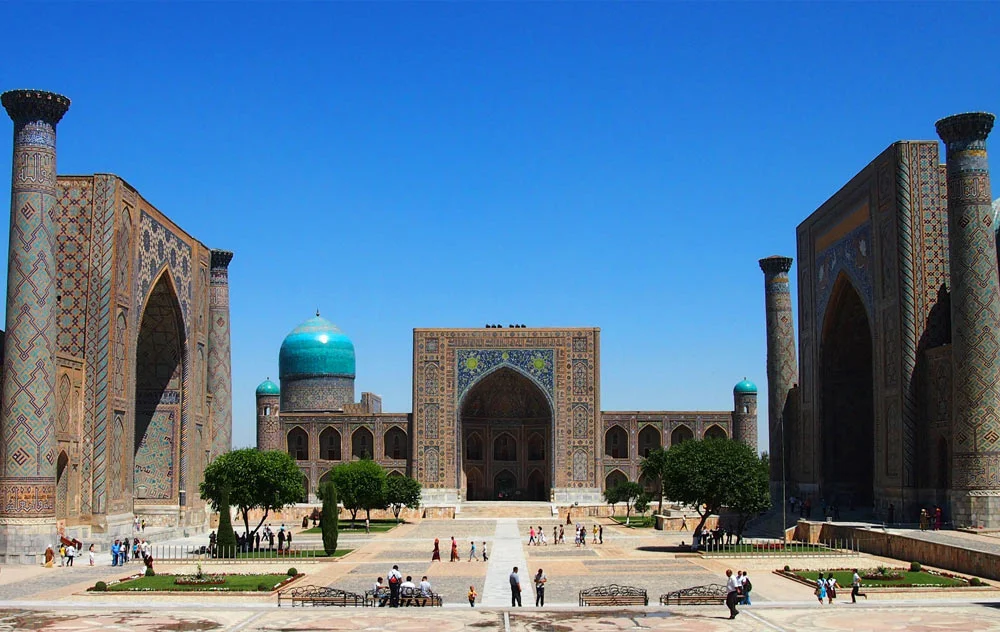
Samarkand is Uzbekistan's most visited city and the anchor of any Silk Road trip. This is our complete Samarkand travel guide — written from the perspective of a local tour operator who lives and works here. It covers what to see, how long to stay, when to go, where to base yourself, and how to move around. Use it as the hub: each section links to a deeper article where we go further.
Why Visit Samarkand
Samarkand has been inhabited for more than 2,750 years. Alexander the Great passed through; Timur (Tamerlane) rebuilt it into the capital of a 14th-century empire; and today it preserves the most concentrated set of Timurid monuments anywhere in the world. UNESCO recognises the old city as a World Heritage Site.
For most travellers, Samarkand is the high point of an Uzbekistan trip. It's compact, walkable in the old quarter, safe, affordable, and easy to combine with Bukhara and Khiva on a classic Silk Road route. If you're still deciding whether it fits your itinerary, our honest take: is Samarkand worth visiting?
What surprises most first-time visitors isn't the monuments — it's that Samarkand still works as a city. Artisans bake Samarkandi non in the same wood-fired ovens their grandfathers used, the Jewish Quarter's 2,500-year-old community lives next to a working synagogue, and Siab's spice vendors will talk to you for an hour about why summer apricots are better than winter ones. The city is a heritage site that is also still lived in, which is rarer than people expect.
Top Things to Do in Samarkand
Five monuments account for the vast majority of what visitors remember:
- Registan Square — the postcard of Samarkand, three madrasahs facing a central plaza. Go twice: once by day, once at night.
- Shah-i-Zinda — a narrow avenue of 11 mausoleums with the finest tilework in Uzbekistan.
- Gur-e-Amir Mausoleum — Timur's tomb, small but unforgettable inside.
- Bibi-Khanym Mosque — the 40-metre entrance portal and surviving 14th-century walls.
- Siab Bazaar — the living market next to Bibi-Khanym, worth visiting hungry.
Beyond the headline five, Samarkand has less-known sites that reward an extra day — Afrasiab Museum, Ulugh Beg's Observatory, the Konigil paper mill, the historic Jewish Quarter. For the full breakdown, including insider tips for each site, see our guide to the top things to do in Samarkand.
How Many Days to Spend in Samarkand
Short answer: two days is the sweet spot, three if you can.
One day is enough to cover the five headline monuments in a tight schedule — a determined visitor can do it, but you'll be moving fast. Two days let you revisit sites at different times of day (Registan at sunset, Shah-i-Zinda at morning light), add depth to the old quarter, and eat properly. Three days opens up day-trip options like Shahrisabz, Konigil village, or a desert yurt camp.
For a detailed day-by-day breakdown of each option, read our Samarkand itinerary guide for 1, 2, or 3 days.
Suggested Samarkand Itineraries
A compressed overview of each duration:
1-Day Samarkand Itinerary. Start at Shah-i-Zinda in the morning (empty corridors, soft light), walk to Bibi-Khanym then Siab Bazaar for a snack, break for lunch near Registan, visit Gur-e-Amir in the early afternoon, spend the late afternoon and evening at Registan. One taxi is usually enough to save legs between Gur-e-Amir and Registan.
2-Day Samarkand Itinerary. Day one unhurried — same sites as above but with time to linger. Day two adds Afrasiab Museum, Ulugh Beg's Observatory, Konigil paper mill, and a quiet walk through the Jewish Quarter. Two days is also when you start eating properly: plov for lunch, dinner at a chaikhana, breakfast on hotel terraces with Silk Road views.
3-Day Samarkand Itinerary. Days one and two as above, then use day three for a day trip — Shahrisabz (Timur's birthplace, 90 km south), or an overnight yurt camp in the Kyzylkum Desert if you want something completely different. Alternatively, spend the day revisiting favourites at sunrise for photography and long lunches.
Full timings, transport notes, and per-day tips: Samarkand itinerary guide.
Best Time to Visit Samarkand
The seasons in Samarkand are distinct and matter for what you'll actually experience.
- Spring (April–May). The best season. Warm days (20–28 °C), cool evenings, blooming orchards, and clear photographic light. Expect more tourists and slightly higher hotel prices. Book ahead.
- Summer (June–August). Hot. Midday temperatures routinely exceed 35 °C (95 °F). Good if you start early, rest during the hottest hours, and resume in the late afternoon. Evenings at illuminated Registan are particularly pleasant.
- Autumn (September–October). Matches spring as the ideal window. Golden light, harvests at Siab, fewer crowds toward mid-October.
- Winter (November–March). Cold (sometimes below 0 °C) and much quieter. Cheaper hotels, occasional snow on blue domes (striking photographs). Some opening hours shorten. A legitimate off-season option for budget travellers.
Where to Stay in Samarkand
Where you base yourself matters more in Samarkand than in many cities, because distances between the old quarter and the modern centre are real.
Old quarter (near Registan and Gur-e-Amir). The best area for most travellers. Boutique B&Bs and smaller hotels put you within walking distance of the headline monuments. Choose this if you want to stroll to Registan for sunset without planning taxis.
Silk Road Samarkand area (Eternal City complex). A newer tourism zone with several larger hotels — good if you want more amenities and don't mind a short taxi to historical sites.
Modern centre (Sharq district). Skip unless you specifically want shopping malls and modern dining. It's a 15–20 minute drive from the old quarter and lacks the atmosphere travellers come here for.
Budget range: clean B&Bs and guesthouses offer excellent value; mid-range boutique hotels in the old city are comfortable and well-located; upper-tier options are limited in number but exist for those seeking more. For current rates, check booking platforms or ask us for recommendations.
Getting Around Samarkand
Within the old quarter, most monuments are within 2–3 km of each other — walkable unless it's the peak of summer.
Taxis. Yandex Go (the Uzbek equivalent of Uber) works everywhere in the city. Rides across town are typically 15,000–30,000 UZS (a very modest fare). No negotiation needed, meter on the app. The easiest local transport option by a wide margin.
Walking. Fine in the old quarter, especially in spring/autumn. Pavements are uneven; comfortable shoes matter. Women should carry a light scarf for interior visits to active mosques.
Private driver or guided tour. The right call if you want to cover sites outside the old quarter (Ulugh Beg's Observatory, Konigil village) or combine Samarkand with a day trip to Shahrisabz. A guide also adds historical context that transforms the monuments from pretty walls into a story.
Inter-city transport. The Afrosiyob high-speed train connects Tashkent (2h 10min), Bukhara (1h 40min), and Samarkand reliably. Book ahead in peak season — the best-priced seats sell out weeks in advance.
Food and Dining in Samarkand
Samarkand takes its food seriously and the city has a distinct regional cuisine. A short primer:
- Plov. Samarkand-style plov uses yellow carrot and a specific layered cooking technique that differs from Tashkent plov. Good plov is usually a lunch dish — the best plov places run out by early afternoon.
- Non. Samarkandi non (round bread, stamped with a signature pattern) is considered the best in Uzbekistan and keeps well — visitors often buy one to take home. Siab Bazaar has the most active bread section.
- Shashlik. Grilled meat on skewers — lamb, beef, or chicken. Most reliable at chaikhanas (traditional tea houses) at lunch and dinner.
- Samsa. Tandoor-baked meat pastries — the quick snack option between monuments. Samsa sellers cluster near Siab and Registan.
- Dried fruit and nuts. Siab Bazaar is the place to buy. Apricots, raisins, walnuts, pistachios — vendors will offer samples. Pack some for the train to Bukhara.
For dinner, the area around Registan has several traditional restaurants with courtyard seating; evening meals here often end with a cup of green tea and fruit. Expect dinner to be an event rather than a quick stop — that's the local rhythm.
Combining Samarkand with Other Cities
Most visitors combine Samarkand with at least one other Silk Road city. A few realistic routes:
- Tashkent → Samarkand (3–4 days). Fly into Tashkent, train to Samarkand next morning, two days in Samarkand, train back. The shortest realistic Uzbekistan trip.
- Tashkent → Samarkand → Bukhara (5–7 days). The classic first-time itinerary. All three cities connected by Afrosiyob high-speed train.
- Tashkent → Samarkand → Bukhara → Khiva (8–10 days). Full Silk Road across Uzbekistan. Khiva is a long day's transit from Bukhara — the desert crossing is memorable.
- Samarkand → Shahrisabz day trip. 90 km south, Timur's birthplace, half-day or full-day round trip. Good add to a 3-day Samarkand plan.
- Samarkand → Kyzylkum yurt camp. 2-day overnight adventure with camel riding and a traditional dinner under the stars — pairs well with onward travel to Bukhara.
If you're doing a multi-city trip, book Afrosiyob train tickets in advance — especially in peak season (April–May and September–October). The best-priced seats sell out weeks ahead. For tour packages that combine Samarkand with other Silk Road destinations, see our Best of Uzbekistan in 10 Days itinerary.
Is Samarkand Worth Visiting?
For almost anyone drawn to history, architecture, or the Silk Road: yes. The depth of continuous civilisation here, combined with the scale of Timurid architecture, makes it one of the most rewarding destinations in Central Asia. Monuments like Registan and Shah-i-Zinda deliver in person the way they do in photographs — which isn't always true of famous sites.
It's a weaker fit if you're looking for nightlife, luxury-only experiences, or a modern city scene. Samarkand is a heritage destination; its pull is cultural, not urban. For the full pros-and-cons breakdown, read our honest guide on whether Samarkand is worth visiting.
Practical Tips for Your Visit
- Visas. Over 90 nationalities enter Uzbekistan visa-free for 30 days (including EU, UK, US, Canada, Australia, Japan, South Korea). Others can use the e-visa system.
- Money. Carry some cash (Uzbek som). Cards work at Registan, Gur-e-Amir, and larger hotels, but smaller bazaars and chaikhanas are cash-only.
- Dress code. Shoulders and knees covered for mosque and shrine interiors; headscarf for women at Shah-i-Zinda and Bibi-Khanym interiors.
- Language. Uzbek and Russian are dominant. English is limited outside tourist-facing businesses. Yandex Translate works offline if you download the Uzbek pack.
- Internet. Buy a local SIM at Tashkent airport on arrival (UZMOBILE, Beeline, Ucell) — cheap, fast, and saves roaming costs.
Plan Your Trip to Samarkand
Samarkand works best when the plan fits the traveller. A structured one-day visit suits short stopovers. Two days with some flexibility suits most visitors. Three days with a day trip suits those who want to go deeper.
If you want the logistics handled — transport, a local guide who can explain what you're looking at, and help buying entry tickets on the day — our full-day Samarkand city tour covers all five headline monuments in a single day with private transport and a local guide. For longer trips (2–3 days) we can arrange a custom itinerary combining Samarkand with Bukhara, Khiva, or a desert yurt camp; contact us via WhatsApp or the booking form on any tour page.
Whichever route you take, Samarkand rewards the time you give it. Go for the monuments; stay for the city behind them.
Ready to see Samarkand with a local guide?
Our Samarkand City Tour covers all five headline monuments in one day — Registan, Gur-e-Amir, Shah-i-Zinda, Bibi-Khanym, and Siab Bazaar — with private transport and a Samarkand-born guide.
Book the Samarkand City Tour → · See all tours from Samarkand →Related Articles
Odil has been guiding travellers through Uzbekistan's Silk Road cities since 2009. Born in Samarkand, he specialises in cultural heritage tours, homestay experiences, and off-the-beaten-path adventures in the Nuratau Mountains. Jahongir Travel is his family-run tour operator based in Samarkand. Learn more about us.