

Eco-Tourism in Uzbekistan: The Nuratau Mountains Experience
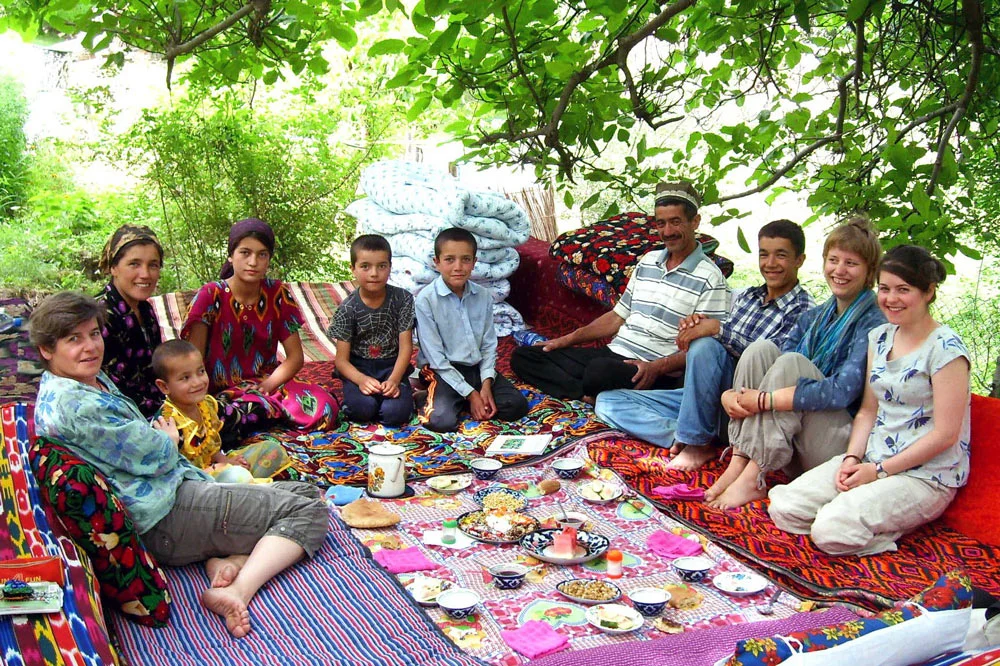
Most visitors to Uzbekistan follow the same well-worn arc: Samarkand, Bukhara, Khiva, Tashkent. The monuments are extraordinary and they deserve their reputation. But Uzbekistan has another face entirely — one that involves no mausoleums and no tourist buses. In the Nuratau Mountains, a range of limestone ridges rising from the edge of the Kyzylkum Desert, a network of villages has been quietly practising one of Central Asia's most successful community-based tourism models for over two decades.
This is eco-tourism in its most unmediated form: staying in a village family's home, eating food grown in the valley below, walking trails through walnut forests older than the Silk Road, and sleeping under skies with almost no light pollution. For travellers who want to move beyond the highlights, Nuratau is one of the most rewarding detours in the region.
What Is the Nuratau Mountains Eco-Tourism Project?
The Nuratau Community-Based Tourism (CBT) network is one of the longest-running and most carefully organised eco-tourism initiatives in Central Asia. Established in the early 2000s with support from the United Nations Development Programme and, over time, various international conservation bodies, the project was built on a simple premise: the best way to protect a fragile mountain environment and its cultural heritage is to ensure that local families can earn a living from it.
The network operates across a cluster of villages in the Nuratau foothills. Participating families register with the CBT office in Nurata town and open their homes to guests. Travellers are assigned to host families, pay directly for accommodation and meals, and hire local guides for walking and excursions. There is no hotel intermediary, no tour operator taking a large commission, and no staging of "traditional culture" for cameras. You are a guest in a working household, and the income you leave behind contributes directly to that family's livelihood.
The programme has received UNESCO recognition as a model for sustainable tourism in the region, and it has survived long enough to prove its staying power — villages that joined the network in the early years continue to participate, and the quality of the homestay experience has improved steadily as families have gained experience hosting international visitors.
Ready to stay with a family in the Nuratau mountains?
Our Nuratau homestay trips from Samarkand include the drive, a guided village hike and all home-cooked meals. Two, three or four days, private, priced by party size.
Nuratau homestay, 2 days from Samarkand → · 3 days, Samarkand to Bukhara → · 4 days with the yurt camp →Where Is Nuratau?
The Nuratau range is a relatively compact mountain system running roughly east–west across north-central Uzbekistan. The mountains rise to a maximum elevation of 2,169 metres, though most trekking is conducted at between 900 and 1,800 metres. To the south lies the Nurata depression and the town of Nurata; to the north, the range descends toward the Jizzakh steppe.
Geographically, Nuratau sits in a remarkable transitional zone. The mountains catch moisture that the surrounding lowlands do not, creating a microclimate that supports woodland, springs, and biodiversity found nowhere else in this part of Central Asia. Walnut groves, juniper forests, and wildflower meadows exist within sight of one of the world's largest deserts — the Kyzylkum — stretching away to the north and east.
From Samarkand, the journey to Nurata takes approximately 3 hours by shared taxi or private car — roughly 200 km along roads that improve year on year. Nurata town is the main access point for the CBT network. From there, it is a short drive into the foothills to reach the homestay villages. The range is also accessible from Bukhara (about 2.5 hours) or Jizzakh (around 1.5 hours), making it a natural stop on a circuit between these cities rather than a dedicated detour.
The Homestay Experience
The heart of the Nuratau experience is not the landscape — it is the homestay itself. Village houses in the Nuratau foothills are built from local stone, with thick walls that keep interiors cool in summer and retain heat in winter. Rooms are simple: woven rugs on stone floors, embroidered cushions along the walls, and toshak — traditional cotton-filled floor mattresses — laid out for sleeping. There are no hotel beds. You sleep on the floor, as the family does.
Meals are prepared by the host family from ingredients grown or raised in the village. Breakfast typically includes fresh bread baked overnight in a clay tandoor oven, alongside home-made butter, cream (qaymaq), honey, and fruit preserves. Lunch and dinner feature seasonal vegetables from the kitchen garden, fresh dairy products, and, for special guests, plov — the Uzbek rice dish that is both everyday food and ceremonial offering, cooked in a heavy cast-iron kazan over an open fire.
Evenings are unhurried. After dinner, the family gathers in the main room. If there is a grandfather, he may tell stories of the mountains. If there are children, they will practise whatever English they have learned at school. There is no television schedule to follow, no bar to retreat to. The social world of the homestay is the family itself, and for many travellers this intimacy — so different from the transactional relationship of a hotel — is what they remember longest.
Hiking and Nature in the Nuratau Mountains
The walking around Nuratau ranges from easy village strolls to full-day ridge hikes with significant elevation gain. All routes pass through remarkable landscapes, and local guides — drawn from the CBT villages — know the trails, the wildlife, and the history in ways no outside guide can match.
The Walnut and Juniper Forests
The walnut forests of Nuratau are among the oldest cultivated or semi-wild walnut groves in Central Asia — part of a chain of ancient Juglans regia stands that extends westward through Kyrgyzstan's Arslanbob forest to the mountains of Tajikistan and further. Botanists believe these Central Asian walnut populations are the ancestral stock of the European cultivated walnut: the tree that now produces walnuts in France, Italy, and California descends from trees like these.
Walking through the walnut groves in autumn — when the canopy has turned gold and the ground is thick with fallen nuts — is one of the finest experiences Uzbekistan offers. In spring, the same forests are carpeted with wildflowers: tulips, irises, and poppies that have never been cultivated, growing as they have grown here since long before the Silk Road existed.
Juniper woodland covers the higher ridges, and the aromatic scrub underfoot is laced with wild herbs — thyme, mountain mint, and others that local families use in cooking and medicine. For full details on walking routes, see our dedicated guide to hiking in the Nuratau Mountains.
Ancient Petroglyphs
Carved into rock faces throughout the Nuratau range are petroglyphs — incised images of animals, hunting scenes, and abstract symbols that date back several thousand years. Wild goats, horses, and the silhouettes of hunters are the most common subjects. These are not roped-off museum exhibits but accessible rock art sites that local guides lead small groups to, often as part of a half-day walk. Seeing them in their original setting — on a sun-warmed limestone outcrop with the desert visible in the distance — gives them a weight that no museum reproduction can replicate.
Wildlife
The Nuratau range supports a variety of wildlife unusual for lowland Central Asia. Marco Polo sheep (Ovis ammon polii) inhabit the upper ridges; sightings require patience and an early start, but local guides know where the herds move. Golden eagles are regularly spotted riding thermals above the valley walls, and the range supports several other raptor species including long-legged buzzards and Eurasian kestrels. Spring and autumn bring migrating songbirds through the mountain passes, making Nuratau a rewarding destination for birdwatchers.
Aydarkul Lake at the Desert Edge
The northern flank of the Nuratau range descends gradually to the shores of Aydarkul Lake, one of the largest bodies of water in Central Asia — and an entirely artificial one. Created inadvertently in the 1960s when Soviet irrigation schemes altered the drainage of the Syr Darya river system, Aydarkul now covers over 3,000 square kilometres and has developed its own ecosystem, attracting vast numbers of migratory waterbirds.
The contrast between the green mountain valleys and the blue expanse of the desert lake is one of the most visually striking juxtapositions in Uzbekistan. Flamingos and pelicans are regularly seen on the lake's shallows, along with cormorants, herons, and dozens of duck and wader species during migration season. The lake is also a base for camel riding across the dunes of the Kyzylkum and for staying in a traditional yurt camp on the desert shore — a natural complement to the mountain homestay experience. Read more about the full desert experience in our guide to camel riding in Uzbekistan.
Combining two or three nights in a Nuratau village homestay with one night at an Aydarkul yurt camp gives you the full range of this remarkable landscape: green mountain woodland in the morning, desert lake at sunset, and star-filled sky overhead at night.
Best Time to Visit Nuratau
Nuratau has a pronounced seasonal character and the timing of your visit will shape the experience significantly.
Spring: April to May (Highly Recommended)
Spring is the best time to visit by a considerable margin. Wildflowers bloom across the valley floors and lower slopes from mid-April: tulips, irises, and poppies in colours that seem improbably vivid against the pale limestone. The walnut forest leafs out in late April, filling the valleys with fresh green. Temperatures are mild — warm enough for comfortable hiking during the day, cool enough for good sleeping at night. Rivers and springs run full from winter snowmelt, and the landscape is as green as it will ever be. This is Nuratau at its most beautiful.
Autumn: September to October
Autumn brings the walnut harvest, when families collect fallen nuts from the forest floor and the valley air smells of woodsmoke and ripe fruit. The foliage turns gold and amber from mid-October, and the light is warm and angled. Temperatures are still comfortable for hiking. This is the second-best season.
Summer: June to August
Summer is hot in the lowlands, though mornings in the mountains remain relatively cool. The landscape dries out rapidly after May, and by July the lower slopes are brown and dusty. Hiking is possible but demanding in midday heat. If you visit in summer, plan walks for early morning and rest in the shade of the walnut forest through the middle of the day.
Winter: November to March
Winter brings cold temperatures and, at higher elevations, snow. Some mountain roads become impassable after heavy snowfall, and not all homestay families remain open through the winter months. The CBT office in Nurata can advise on current conditions. Visitors who do come in winter find the mountains almost entirely to themselves — but be prepared for cold nights and limited trail access.
How to Get to Nuratau
The practical access point for the Nuratau CBT network is Nurata town, a small city with its own history — it sits beside an ancient spring (the Chashma) fed by underground water, considered sacred for centuries, and the ruins of a pre-Islamic hilltop fortress. From Nurata, it is a 20–40 minute drive into the foothills to reach the homestay villages, depending on which village you are assigned to.
From Samarkand, shared taxis to Nurata depart from the Samarkand long-distance taxi stand and take approximately 3 hours. Private car hire is also straightforward from Samarkand and gives you more flexibility for combining Nuratau with other stops. From Bukhara, shared taxis to Nurata run in roughly 2.5 hours.
On arrival in Nurata, the CBT coordination office handles homestay assignments, guide bookings, and any practical logistics. It is worth contacting them in advance — particularly in spring and autumn — to confirm your homestay placement and arrange a guide for multi-day hiking. They can also advise on current trail conditions and whether any particular villages are available for visits.
Why Nuratau Matters: Eco-Tourism Done Right
The Nuratau CBT network represents something genuinely rare in modern tourism: a model where the economic benefit of a visitor's stay flows directly to the people and place being visited. There is no luxury hotel siphoning profit to a distant investor, no stage-managed "cultural show" performed for cameras. The families hosting tourists are the same families who have lived in these mountains for generations, and the income from tourism helps them stay.
This matters for conservation. The walnut forests and juniper woodlands of Nuratau survive partly because the communities living among them have an economic reason to protect them. Overgrazing, logging, and encroachment have damaged many similar mountain landscapes across Central Asia, but the CBT framework gives local families a reason to be stewards rather than simply users of the land around them.
For travellers, the contrast with mass-market tourism is equally stark. You are not consuming a packaged experience designed for the tourist gaze. You are entering a real household, eating real food, walking with someone who knows every rock on the trail. The cultural exchange is genuine — sometimes awkward, often surprising, always more memorable than anything a professional guide performance can offer.
If you have been to the Registan, to the Kalon minaret in Bukhara, to the walls of Khiva — and you want to understand Uzbekistan at a different depth — the Nuratau Mountains are where to go next.
Frequently Asked Questions
What is community-based tourism in Nuratau?
Community-based tourism (CBT) in Nuratau means staying with local families in their own homes rather than in hotels, with meals prepared from local produce and guides drawn from the village community. Tourist fees go directly to host families, providing a sustainable income that supports conservation of both the cultural and natural environment.
Is hiking in the Nuratau Mountains difficult?
Nuratau offers trails for all fitness levels. Easy village walks take 1–2 hours and are suitable for most visitors. Longer ridge hikes to higher viewpoints require moderate fitness and take 4–6 hours. No technical climbing is involved. The altitude (up to 1,800m on most walking trails) means good shoes and water are essential.
Can I visit Nuratau as a day trip from Samarkand?
Technically possible but not recommended — the drive is 3 hours each way, leaving little time to experience the mountains. At least one overnight homestay is strongly advised to experience the local culture, evening atmosphere, and morning light in the mountains. Two nights allows for more substantial hiking.
Book the Nuratau Homestay Experience
We organise Nuratau homestay trips from Samarkand, handling transport, CBT coordination, guide booking, and any additional stops — including Aydarkul Lake and the desert yurt camp if you want the full landscape. Whether you want one night or four, a gentle village walk or a multi-day ridge traverse, we can build the itinerary around what you are looking for.
Odil has been guiding travellers through Uzbekistan's Silk Road cities since 2009. Born in Samarkand, he specialises in cultural heritage tours, homestay experiences, and off-the-beaten-path adventures in the Nuratau Mountains. Jahongir Travel is his family-run tour operator based in Samarkand. Learn more about us.