

Who Was Imam al-Bukhari? The Scholar Behind Sahih al-Bukhari
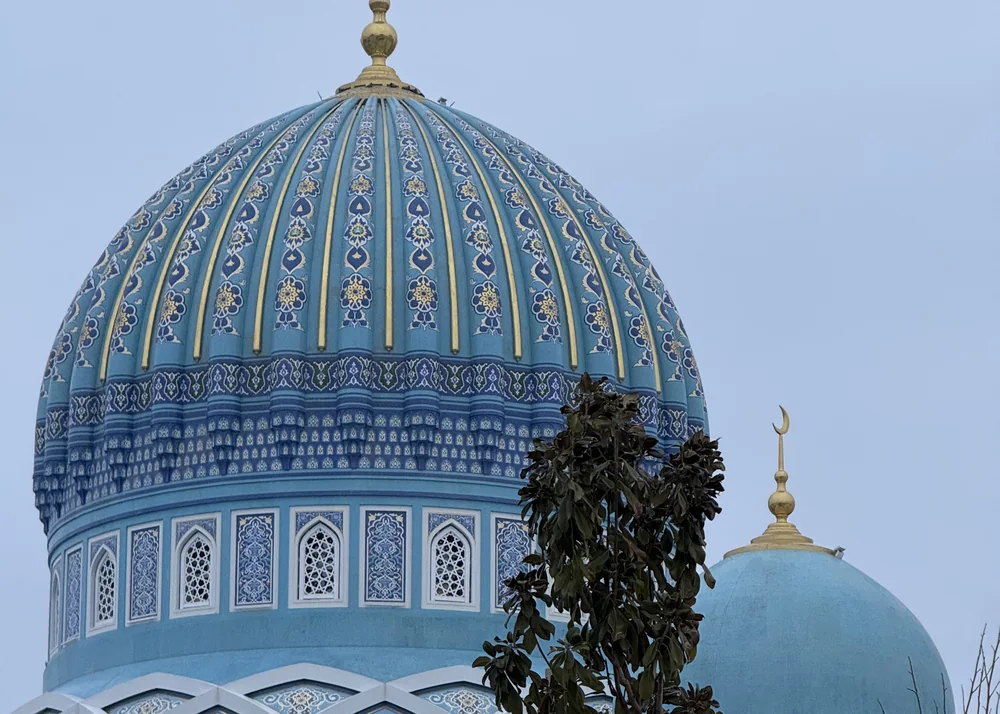
In the hills north-west of Samarkand, at the village of Khartang, lies the tomb of one of the most influential scholars in Islamic history: Imam Muhammad ibn Isma'il al-Bukhari. His name is known wherever the hadith are studied, and his masterwork, Sahih al-Bukhari, is regarded in Sunni Islam as the most authentic book after the Qur'an itself. Yet the man behind that monumental collection began his life in humble circumstances and spent decades travelling across the Islamic world in pursuit of a single goal: to preserve the sayings and actions of the Prophet Muhammad with the highest possible standard of accuracy.
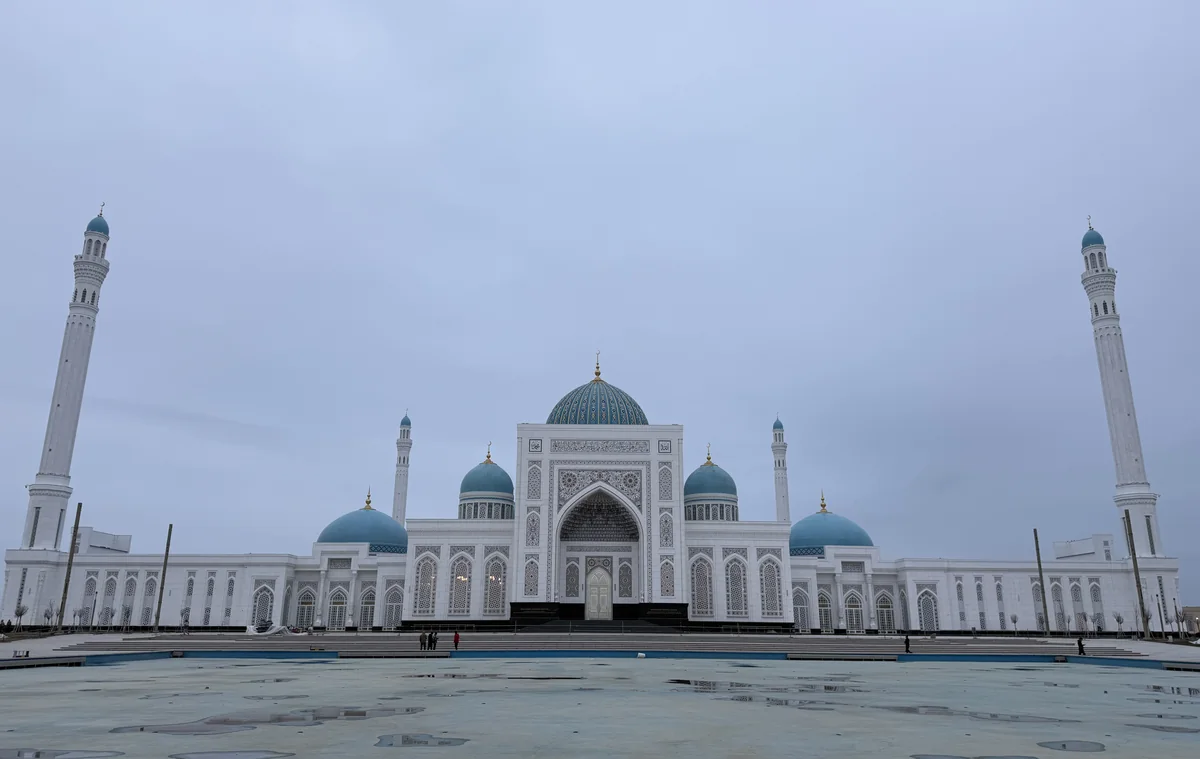
Today, his resting place has been transformed into a vast memorial complex that welcomes pilgrims and visitors from around the world. To understand why this site matters, it helps to know something of the scholar who lies here.
A Child of Bukhara
Imam al-Bukhari was born in 810 CE (194 AH) in the city of Bukhara, in what is now Uzbekistan. From an early age he showed an extraordinary aptitude for learning: as a child he began studying and memorising hadith, the reports of what the Prophet Muhammad said, did, and approved. By his teenage years, he had already committed thousands of narrations to memory.
His father had died when he was young, leaving his mother to raise him. She supported his studies, and by the time he was sixteen he had memorised the major hadith collections then in circulation. But he knew that true knowledge required more than books: it required meeting the scholars who carried these traditions.
Want to visit his resting place from Samarkand?
Our half-day ziyarat tour takes you to the Imam al-Bukhari memorial complex at Khartang, with the Makhdumi A'zam shrine at Dahbed on the way back. See the tour page for current prices by party size.
Imam al-Bukhari half-day tour from Samarkand →The Years of Travel
Al-Bukhari spent many years travelling across the Islamic world to collect hadith directly from the leading scholars of his time. His journeys took him to Mecca, Medina, Baghdad, Basra, Kufa, Egypt, and Syria. He studied under hundreds of teachers, among them the great jurist Ahmad ibn Hanbal and the leading hadith critic Ali ibn al-Madini.
In an era when travel was slow and dangerous, al-Bukhari covered thousands of miles on foot and by camel, often staying for months in a single city to attend the circles of a particular scholar. He is said to have memorised more than 600,000 hadith narrations, complete with their chains of transmission. This vast knowledge would later form the raw material for his great work.
Compiling the Sahih: 600,000 Narrations Sifted to a Few Thousand
The work that made al-Bukhari famous took about sixteen years to complete. From the more than 600,000 narrations he had collected, he selected only those that met his famously strict criteria for authenticity. The final collection, Sahih al-Bukhari, contains 7,563 hadith including repetitions; without repetition, the number is about 2,602, according to the scholar Ibn Hajar al-Asqalani.
Al-Bukhari's method was rigorous. He required an unbroken chain of transmission (muttasil), with every narrator known for uprightness ('adl) and precise memory (dabt). He also insisted on confirmed face-to-face meetings between successive narrators and checked that the text was free of hidden defects. Tradition holds that before entering a hadith into his collection, he would perform the ritual washing (ghusl) and pray two raka'ah, seeking divine guidance.
Why Sahih al-Bukhari Matters
Sahih al-Bukhari is one of the six canonical collections of Sunni hadith, known as the Kutub al-Sittah. It is widely regarded as the most authentic book after the Qur'an itself. For over a thousand years, scholars and students have relied on it as a primary source for understanding the Prophet's teachings on faith, worship, ethics, and daily life.
The book is organised into 97 chapters, covering topics from prayer and fasting to marriage, trade, and governance. Its influence extends beyond theology into law, history, and spirituality. For Muslims around the world, Sahih al-Bukhari remains a foundational text, studied and memorised to this day.
His Final Years at Khartang
Late in his life, al-Bukhari was forced to leave the city of Nishapur after a theological dispute. He settled at the village of Khartang, near Samarkand, where he died on 1 September 870 CE (256 AH). He was buried there, in what was then a modest grave.
For centuries, the site was marked by a simple mausoleum, built during the Shaybanid period in the 16th century. It remained a place of local pilgrimage, but it was not until the late 20th century that the Uzbek government began to develop the site into a major memorial complex.
Visiting His Tomb Today
In 1998, a memorial complex was built at the tomb, covering about ten hectares. It included a cube-shaped mausoleum topped by a 17-metre dome and a mosque for around 1,500 worshippers. A large-scale reconstruction began in 2021 under President Shavkat Mirziyoyev, and the rebuilt complex reopened in March 2026. It now covers about 45 hectares and features a marble congregational mosque for more than 12,000 worshippers, four minarets 75 metres tall, a museum of nine pavilions, a library, and a madrasa.
The complex is located at Khartang village (also called Khoja Ismail), about 25 km north-west of Samarkand, roughly a 30-minute drive. Entry to the mosque and mausoleum is free; the museum charges a small ticket, paid on site. Modest dress is required, and women should bring a headscarf. Shoes are removed before entering the mosque and mausoleum. Photography of the buildings is permitted, but ask before photographing worshippers.
For those wishing to visit, Jahongir Travel runs a half-day private tour from Samarkand that includes the Imam al-Bukhari complex and the nearby shrine of Makhdumi A'zam at Dahbed, about 4.5 hours with a driver and optional guide. It is a journey that connects you not only with a great scholar but with centuries of Islamic learning and devotion.
Frequently Asked Questions
Who was Imam al-Bukhari?
Imam al-Bukhari (full name Muhammad ibn Isma'il al-Bukhari) was a 9th-century Islamic scholar born in Bukhara (present-day Uzbekistan). He is best known for compiling Sahih al-Bukhari, the most authentic collection of hadith in Sunni Islam. He spent years travelling across the Islamic world to collect and verify narrations of the Prophet Muhammad.
What is Sahih al-Bukhari?
Sahih al-Bukhari is a collection of hadith compiled by Imam al-Bukhari over about sixteen years. It contains 7,563 hadith including repetitions (about 2,602 unique narrations) organised into 97 chapters. It is regarded as the most authentic book after the Qur'an in Sunni Islam and is one of the six canonical hadith collections.
How did Imam al-Bukhari verify hadith?
Al-Bukhari used a famously strict method. He required an unbroken chain of transmission, with every narrator known for uprightness and precise memory. He also confirmed that successive narrators had actually met and that the text was free of hidden defects. Before including a hadith, he would perform ritual washing and pray two raka'ah seeking guidance.
Where is Imam al-Bukhari buried?
He is buried at Khartang village (also called Khoja Ismail), about 25 km north-west of Samarkand, Uzbekistan. The site now houses a large memorial complex that includes a mausoleum, mosque, museum, library, and madrasa.
Can visitors of all faiths enter the Imam al-Bukhari complex?
Yes, visitors of all faiths are welcome. It is an active place of pilgrimage (ziyarat). Modest dress is required (shoulders and knees covered; women should bring a headscarf), and shoes are removed before entering the mosque and mausoleum.
Is there an admission fee?
Entry to the mosque and mausoleum is free. The museum charges a small ticket, paid on site.
How can I visit the Imam al-Bukhari complex from Samarkand?
Jahongir Travel offers a half-day private tour from Samarkand that covers the Imam al-Bukhari complex and the nearby Makhdumi A'zam shrine at Dahbed. The tour lasts about 4.5 hours and includes a driver with an optional guide.
Related Articles
Odil has been guiding travellers through Uzbekistan's Silk Road cities since 2009. Born in Samarkand, he specialises in cultural heritage tours, homestay experiences, and off-the-beaten-path adventures in the Nuratau Mountains. Jahongir Travel is his family-run tour operator based in Samarkand. Learn more about us.