

Shahrisabz Day Trip from Samarkand: Guide to Timur's Ancient Capital
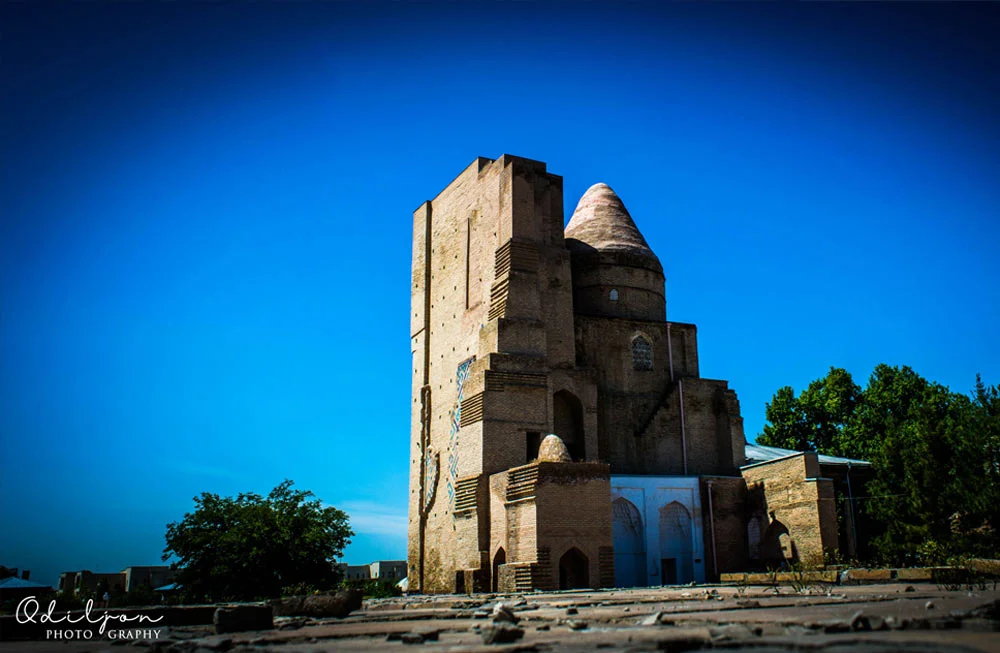
Most travellers who visit Uzbekistan focus on Samarkand, Bukhara, and Khiva – the famous Silk Road trio. But 90 km south of Samarkand lies a city that was the original passion project of Amir Timur himself: Shahrisabz, his birthplace and the site of the most ambitious palace ever built in Central Asia.
The ruins of the Ak-Saray Palace – once taller than the Great Pyramid of Giza – are now an UNESCO World Heritage Site. Yet Shahrisabz sees only a fraction of Samarkand's tourists. That makes it one of the most rewarding day trips in Uzbekistan: world-class history, almost no crowds.
Why Visit Shahrisabz?
- UNESCO World Heritage Site since 2000 – "Historic Centre of Shahrisabz"
- Birthplace of Amir Timur (Tamerlane), the most powerful ruler in 14th-century Asia
- Ruins of Ak-Saray Palace – once the largest palace on earth
- Dramatic mountain scenery on the drive via Tahtakaracha Pass (2,200 m)
- Far fewer tourists than Samarkand's main sights
Prefer a driver and guide for this day?
Our private Shahrisabz day trip leaves your Samarkand hotel at 08:30, crosses the Tahtakaracha Pass and covers Ak-Saray, Dorut Tilavat and Kok Gumbaz. See the tour page for current prices by party size.
Shahrisabz day trip from Samarkand → · Aman Kutan hike + Shahrisabz in one day →Getting There: The Road Over the Mountains
The journey from Samarkand to Shahrisabz is itself an experience. The old route crosses the Tahtakaracha mountain pass at 2,200 metres, winding through the Zarafshan Range with views back toward Samarkand's valley. In spring, the pass is carpeted with wildflowers; in winter, it can close with snow.
A newer tunnel bypasses the pass and cuts the driving time to about 1 hour, but the scenic mountain road is worth the extra 30 minutes each way.
- By guided tour (recommended): Driver + guide picks you up in Samarkand, uses the mountain route one way and explains the history en route.
- By shared taxi: Depart from Samarkand's Dagbet taxi stand; takes about 1.5 hours; drops you at Shahrisabz bus station (2 km from the main sights).
- By private car: Rent a car with driver in Samarkand; most comfortable option if you want to stop at the pass viewpoint.
What to See in Shahrisabz
1. Ak-Saray Palace – The White Palace
Ak-Saray (White Palace) was Timur's summer residence, begun in 1380 and still under construction when he died in 1405. At its height, the entrance arch alone stood 65 metres tall – taller than the palace at Versailles. Today only two enormous pillars of the original gateway survive, but they still tower over the pedestrian walkway at 38 metres.
The remaining tilework is extraordinary: deep blue and turquoise geometric patterns running in intricate bands up the surviving towers. An inscription on the arch once read: "If you doubt our power – look at our buildings."
2. Dorus Saodat Complex
Timur originally intended to be buried here, in his birthplace. The Dorus Saodat ("Seat of Power") complex includes the Jahangir Mausoleum – burial place of his beloved eldest son who died young – and a crypt prepared for Timur himself (he was eventually buried in Samarkand instead, in Gur-e-Amir).
The mausoleum interiors are beautifully decorated with painted tilework, and the complex has a quiet, contemplative atmosphere very different from the tourist rush at Samarkand's main sites.
3. Dorus Tilovat – The Kok-Gumbaz Mosque
Built by Timur's grandson Ulugh Beg in 1435, Kok-Gumbaz ("Blue Dome") Mosque is one of the finest examples of Timurid architecture outside Samarkand. The interior dome is decorated with geometric tile patterns in deep blue and white. Adjacent to the mosque is the mausoleum of Timur's spiritual teacher, Sheikh Shamsiddin Kulal.
4. Statue of Amir Timur
The main pedestrian boulevard leads to a large equestrian statue of Timur set against the ruins of the Ak-Saray. It's the city's centrepiece and a good orientation point for visiting the main sights.
5. The Old City Mahallas
Beyond the tourist zone, Shahrisabz's old residential neighbourhoods (mahallas) have changed little in a century. Wander the mud-brick lanes to see craftsmen working in wood and metalwork, traditional tea houses (chaikhanas), and local bazaars selling dried fruits and nuts from the surrounding mountains.
Suggested Day Trip Itinerary
| Time | Activity |
|---|---|
| 8:30 AM | Depart Samarkand by car (mountain route via Tahtakaracha Pass) |
| 10:00 AM | Arrive Shahrisabz; visit Ak-Saray Palace ruins and walkway |
| 11:00 AM | Dorus Saodat complex and Jahangir Mausoleum |
| 12:30 PM | Lunch at local chaikhana (try mastava soup and samsa) |
| 1:30 PM | Kok-Gumbaz Mosque and Dorus Tilovat complex |
| 2:30 PM | Wander the old city mahallas, optional local bazaar |
| 3:30 PM | Depart back to Samarkand (tunnel route, ~1 hour) |
| 4:30 PM | Back in Samarkand |
What to Eat in Shahrisabz
Shahrisabz is known for a few regional specialities worth seeking out:
- Shahrisabz plov – a local variation of Uzbek rice pilaf, cooked with yellow carrots and dried apricots
- Mastava – a hearty soup with rice, vegetables, and lamb
- Fresh dried fruits – apricots, plums, and mulberries from the surrounding orchards; sold in the bazaar
- Local bread (non) – baked in a traditional tandoor oven
Best Time to Visit
- Spring (April–May): Best overall. The mountain pass is green, wildflowers are out, and the weather is warm but not hot.
- Autumn (September–October): Excellent. Harvest season, golden light, comfortable temperatures.
- Summer (June–August): Very hot in the city (35°C+), but the mountain drive is pleasant. Start early.
- Winter: The Tahtakaracha mountain route may be closed with snow; use the tunnel instead. The monuments look dramatic against snow.
Combining Shahrisabz with Aman Kutan
For an even more rewarding day, consider combining Shahrisabz with a stop at Aman Kutan – the limestone canyon and walnut groves in the Zarafshan foothills, just off the mountain road. The canyon is home to the famous Lion's Cave (Teshik-Tosh), where Neanderthal remains were discovered in 1938. It adds only 30 minutes to the journey and is a beautiful contrast to the monuments of Shahrisabz.
Frequently Asked Questions
Can I do Shahrisabz independently without a guide?
Yes – the main sights are well-signposted and close together. However, a guide significantly enriches the experience: the history of Ak-Saray Palace and the personal story of Timur's relationship with Shahrisabz are fascinating, and most of the explanatory panels at the sites are only in Uzbek and Russian.
How much time do I need in Shahrisabz?
A full day (arriving by 10 AM, leaving by 3:30 PM) is ideal to see all the main sights without rushing. The sites are compact and walkable from the central pedestrian area.
Is Shahrisabz only a day trip or can I stay overnight?
Shahrisabz has a few small hotels and guesthouses if you want to stay the night. However, most travellers find a day trip from Samarkand sufficient. Samarkand has better accommodation and restaurant options.
Odil has been guiding travellers through Uzbekistan's Silk Road cities since 2009. Born in Samarkand, he specialises in cultural heritage tours, homestay experiences, and off-the-beaten-path adventures in the Nuratau Mountains. Jahongir Travel is his family-run tour operator based in Samarkand. Learn more about us.